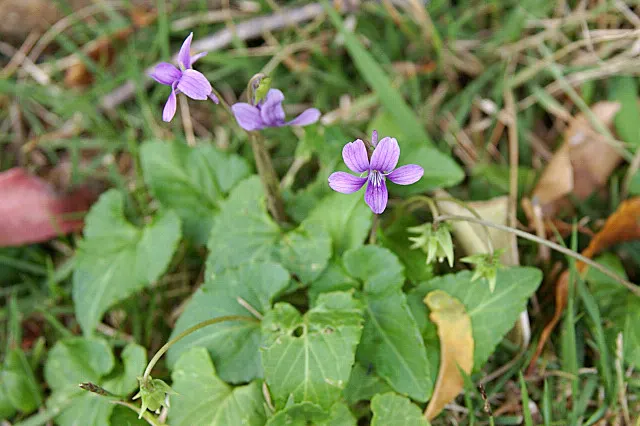
Photo: E-190, CC BY-SA 3.0 (via Wikimedia Commons)
Tokyo Violet
Viola yedoensis
Also known as Zi Hua Di Ding, Purple Flower Earth Ding, Chinese Violet, Field Violet
Key benefits
✦Traditional uses
✦Under the name zi hua di ding, Viola yedoensis has been gathered from Chinese meadows for centuries and valued in traditional herbalism as a cooling, heat-clearing plant, often turned to for skin troubles like boils and minor wounds. It was traditionally paired with dandelion in classic formulas meant to soothe irritated skin from the outside in. Traveling herbalists and village healers alike kept it close at hand as a humble, everyday first aid plant, prized less for grandeur than for reliability. Its story is one of quiet, practical care passed down through generations of home herbalism rather than dramatic cures.
How to grow & use it
✦The full apothecary for Tokyo Violet
Traditional remedies and step-by-step preparations, a complete growing guide, and how to harvest, dry, and store it, all unlocked with HerbLens Unlimited.
- ✦Remedies & preparations
- ✦ Growing guide
- ✦Harvest & storage
From under $6 a month. Free plant identifications always included.
- ✦Dandelion
- ✦Honeysuckle Flower
- ✦Chrysanthemum
- ✦Dandelion Leaf
- ✦Wild Sweet Violet (Viola odorata)
“For the small purple flower that meadow herbalists have always reached for first, when the skin needs quiet, cooling care.”
In classical Chinese medicine texts, zi hua di ding was almost always named alongside dandelion (pu gong ying), the two herbs gathered together from the same spring fields and simmered side by side for the skin.
Tokyo violet is traditionally regarded as gentle, but modern research is limited, so it should not replace medical care for a worsening infection or skin condition. Discontinue use if irritation or digestive upset occurs.