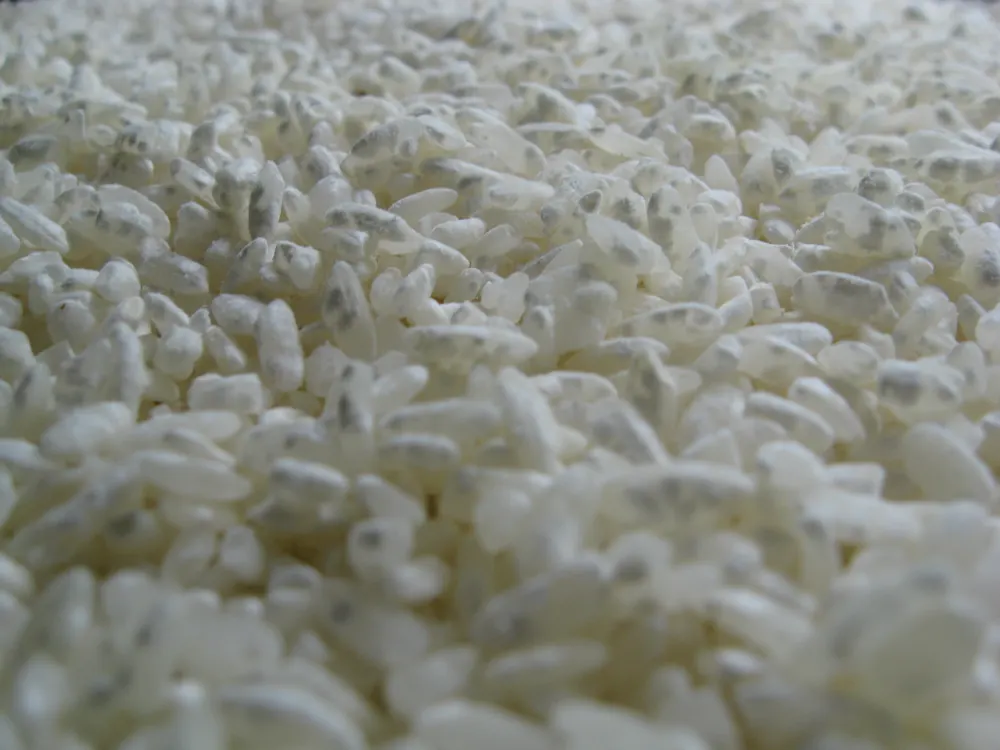
Photo: Forrest O., CC BY-SA 2.0 (via Wikimedia Commons)
Koji Mold
Aspergillus oryzae
Also known as Koji, Tane-koji (spore starter), Yellow koji mold, Rice mold
Key benefits
✦Traditional uses
✦For well over a thousand years, this quiet gold-dusted mold has been the workhorse behind some of East Asia's most treasured foods, coaxed onto steamed rice or soybeans to become the starter for miso, soy sauce, sake, mirin, and rice vinegar. Japanese brewers and cooks learned to cultivate it so carefully, and valued it so highly, that in 2006 the Brewing Society of Japan named it the country's official kokkin, or national fungus. Traditionally, foods fermented with this mold, especially amazake and well-aged miso, have been taken as gentle digestive tonics, believed to ease the breakdown of rice and soy and to leave the stomach feeling lighter after a meal. Its enzymes were, in effect, the original food processors, transforming plain starch and protein into something sweeter, deeper, and easier for the body to take in.
How to grow & use it
✦The full apothecary for Koji Mold
Traditional remedies and step-by-step preparations, a complete growing guide, and how to harvest, dry, and store it, all unlocked with HerbLens Unlimited.
- ✦Remedies & preparations
- ✦ Growing guide
- ✦Harvest & storage
From under $6 a month. Free plant identifications always included.
- ✦Soybeans, for making miso and traditional soy sauce
- ✦Short-grain rice, for sake, amazake, and mirin
- ✦Barley, for rustic mugi-style miso
- ✦Aspergillus sojae, a closely related koji mold favored for some soy sauce styles
- ✦Rhizopus oryzae, the mold used to ferment tempeh, offering a different but comparable fermentation role
“When you want to coax sweetness, depth, and life out of humble grain and bean, the old and patient way.”
In 2006, the Brewing Society of Japan formally declared Aspergillus oryzae the country's kokkin, or national fungus, an honor that recognizes just how central this quiet mold has been to Japanese food and drink for over a thousand years.
Koji mold used in traditional fermentation is safe and, unlike wild relatives, does not produce aflatoxins. Raw spore powder can irritate the lungs, so people with mold allergies, asthma, or weakened immune systems should avoid handling it directly.