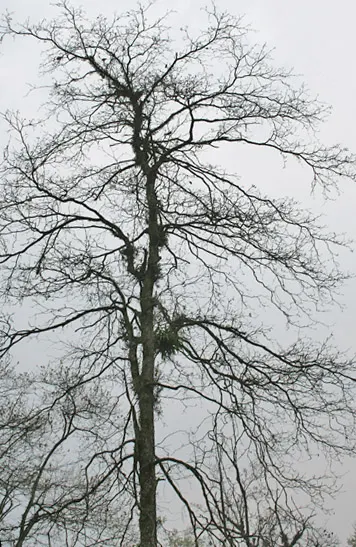
Photo: J.M.Garg, CC BY-SA 3.0 (via Wikimedia Commons)
Haritaki
Terminalia chebula
Also known as Chebulic Myrobalan, Black Myrobalan, Harad, King of Medicines
Key benefits
✦Traditional uses
✦Haritaki holds a place of honor in Ayurvedic medicine as one of the three fruits in Triphala, the classic tonic still taken across India today for digestive balance. In Tibetan medicine it is called the king of medicines, and the Medicine Buddha himself is often pictured holding a sprig of its fruit, said to cure any ailment it touches. Traditional healers reached for haritaki to settle the stomach, support regular elimination, and act as a gentle rejuvenating tonic for the whole body. It traveled the old trade routes right alongside its Ayurvedic partners amalaki and bibhitaki, earning a reputation as one of the most trusted fruits in the traditional pharmacy.
How to grow & use it
✦The full apothecary for Haritaki
Traditional remedies and step-by-step preparations, a complete growing guide, and how to harvest, dry, and store it, all unlocked with HerbLens Unlimited.
- ✦Remedies & preparations
- ✦ Growing guide
- ✦Harvest & storage
From under $6 a month. Free plant identifications always included.
- ✦Amalaki (Emblica officinalis)
- ✦Bibhitaki (Terminalia bellirica)
- ✦Fresh ginger
- ✦Amalaki
- ✦Bibhitaki (Terminalia bellirica)
“When your digestion needs a gentle, grounding reset.”
In Tibetan Buddhist art, the Medicine Buddha is almost always shown holding a branch of haritaki fruit between two fingers, a symbol so central that the plant became known simply as the king of medicines.
Traditionally avoided in pregnancy due to its historic use as a mild purgative and uterine stimulant. It can worsen dehydration or diarrhea and may interact with blood thinners, blood sugar medication, laxatives, and diuretics, so use only small amounts.