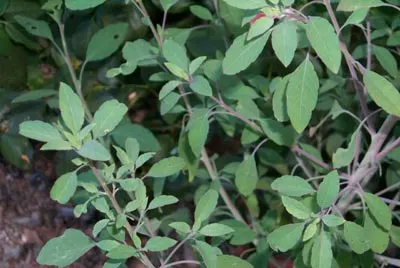
Photo: User:JoeCarrasco, CC BY-SA 3.0 (via Wikimedia Commons)
Papalo
Porophyllum ruderale
Also known as Papaloquelite, Quirquiña, Killi, Bolivian coriander, Poreleaf
Key benefits
✦Traditional uses
✦Long before it had a place in spice racks, papalo was a market-stall staple across central Mexico, where cooks tore its round, blue-green leaves straight onto tacos, tortas, and fresh salsas for a flavor somewhere between cilantro, arugula, and rue. In the high Andes, where the same plant goes by quirquiña or killi, it has traditionally been used to settle an unhappy stomach and, according to Bolivian folk wisdom, to help travelers newly arrived at altitude cope with soroche. Its pungency was never subtle, and that was the point, a single leaf could wake up a whole plate of food or, tradition says, a sluggish digestion.
How to grow & use it
✦The full apothecary for Papalo
Traditional remedies and step-by-step preparations, a complete growing guide, and how to harvest, dry, and store it, all unlocked with HerbLens Unlimited.
- ✦Remedies & preparations
- ✦ Growing guide
- ✦Harvest & storage
From under $6 a month. Free plant identifications always included.
- ✦Epazote
- ✦Cilantro
- ✦Mexican oregano
- ✦Cilantro
- ✦Arugula (with a pinch of rue for pungency)
“When your salsa needs one bold, grassy-sharp leaf no other herb can quite imitate.”
The name papalo comes from the Nahuatl word papaloquilitl, meaning butterfly herb, likely a nod to the plant's rounded, wing-shaped leaves that flutter on their thin stems in the breeze.
Papalo is a food herb eaten fresh across Mexico and the Andes with no known toxicity at culinary amounts, though those sensitive to ragweed or the daisy family should introduce it cautiously.