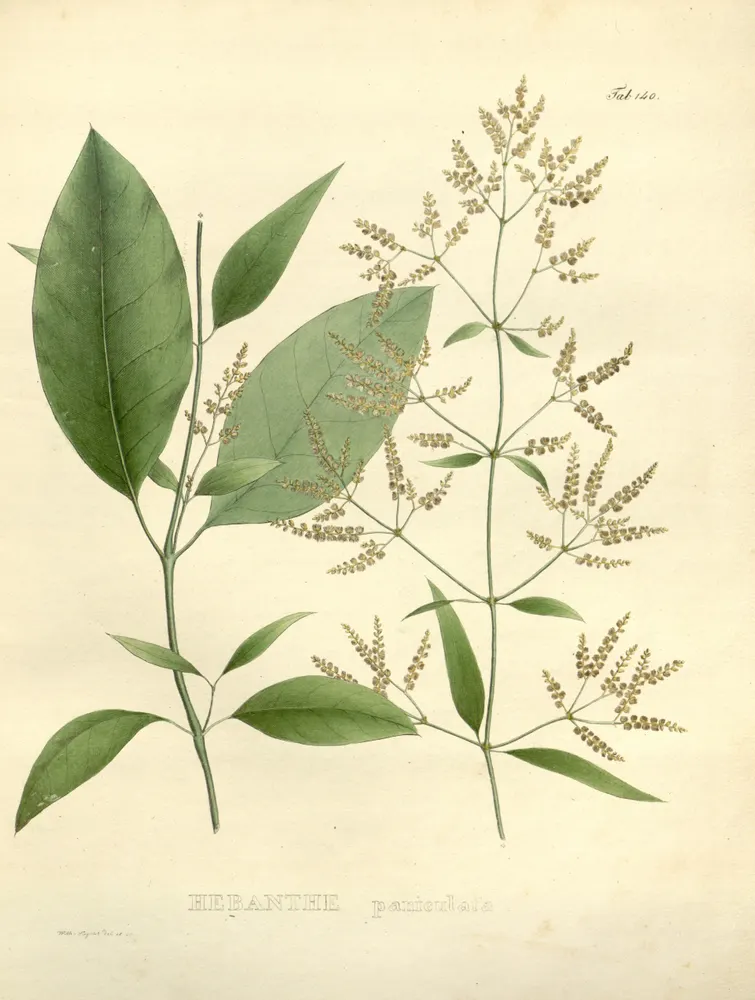
Photo: Carl Friedrich Philipp von Martius, Public domain (via Wikimedia Commons)
Suma (Brazilian Ginseng)
Hebanthe eriantha
Also known as Suma, Brazilian Ginseng, Para Toda Obra, Pfaffia iresinoides (synonym), Pfaffia paniculata
Key benefits
✦Traditional uses
✦In the backlands of Brazil, this sprawling root has long traveled under the same name as its more famous cousin, Pfaffia paniculata: suma, or para toda obra, meaning roughly 'for whatever ails you.' Folk healers dug the thick roots and simmered them into tonics believed to build stamina, ease recovery after illness, and restore a person worn thin by hard seasons of work. Because Hebanthe eriantha so closely resembles true suma in root and habit, the two have been gathered and sold together for generations, their reputations blending into one shared tradition of a hardworking, all-purpose restorative root. Western herbalists later borrowed the nickname 'Brazilian ginseng' for this whole group, a nod to the same broad, tonic-like esteem ginseng holds in Asian herbalism.
How to grow & use it
✦The full apothecary for Suma (Brazilian Ginseng)
Traditional remedies and step-by-step preparations, a complete growing guide, and how to harvest, dry, and store it, all unlocked with HerbLens Unlimited.
- ✦Remedies & preparations
- ✦ Growing guide
- ✦Harvest & storage
From under $6 a month. Free plant identifications always included.
- ✦Guaraná
- ✦Catuaba
- ✦Muira Puama
- ✦Pfaffia paniculata (true Suma root)
- ✦Ashwagandha
“For the quiet, unhurried stamina of the Brazilian backlands, root by root.”
The species name 'eriantha' comes from the Greek erion, meaning wool, and anthos, meaning flower, a nod to the soft, fuzzy flower spikes that dust the plant in late summer, the same woolly-headed charm you see in its Amaranthaceae cousins like gomphrena and celosia.
This plant is often gathered and sold interchangeably with true suma (Pfaffia paniculata), so species-specific safety data is limited. Given the estrogenic compounds reported in related Pfaffia species, it should be avoided during pregnancy and nursing and used cautiously with hormone-sensitive conditions or medications.