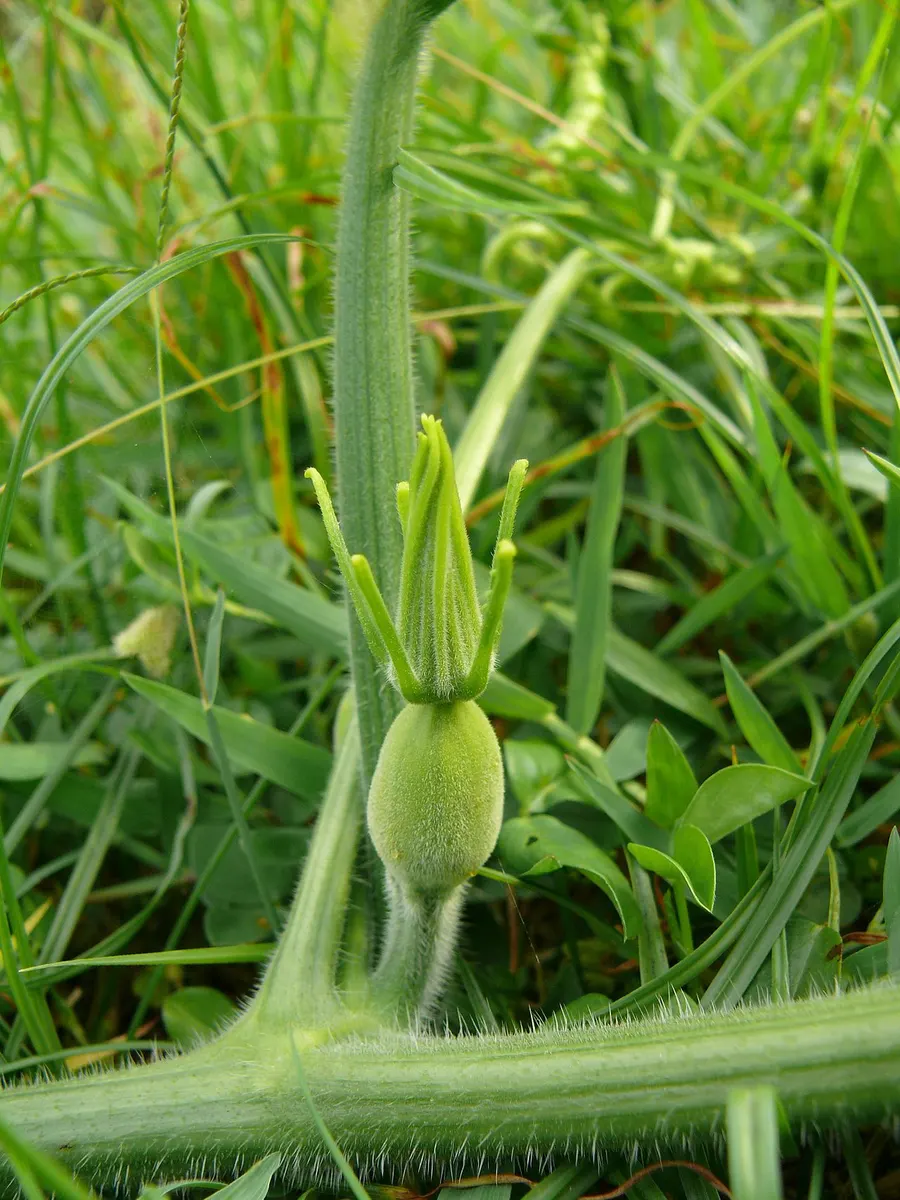
Photo: Arria Belli (Arria Belli), CC BY-SA 2.0 (via Wikimedia Commons)
Pumpkin
Cucurbita pepo
Also known as Field Pumpkin, Squash, Autumn Squash
Key benefits
✦Traditional uses
✦Long before it became a autumn icon, pumpkin was one of the Three Sisters, grown alongside corn and beans by Indigenous peoples across North America who relied on its flesh for winter storage and its seeds for both food and medicine. Across many cultures, the flesh was baked, dried, and ground into flour to see families through lean months, while the seeds were chewed or steeped as a traditional remedy for intestinal worms and to ease urinary discomfort. European and Latin American folk healers later carried on the pumpkin seed tradition, favoring the pale green kernels as a gentle, food-based tonic for aging bladders and prostates. It has always been a plant that fed people first and healed them quietly along the way.
How to grow & use it
✦The full apothecary for Pumpkin
Traditional remedies and step-by-step preparations, a complete growing guide, and how to harvest, dry, and store it, all unlocked with HerbLens Unlimited.
- ✦Remedies & preparations
- ✦ Growing guide
- ✦Harvest & storage
From under $6 a month. Free plant identifications always included.
- ✦Cinnamon
- ✦Ginger
- ✦Nutmeg
- ✦Butternut Squash
- ✦Sunflower Seeds
“For the harvest table, the healing tea, and everything in between, the pumpkin has always been a keeper of the season.”
Botanically speaking, a pumpkin is a fruit, a type of berry called a pepo, even though it lives its whole life on the vegetable side of the plate.
Pumpkin flesh and seeds are a safe, common food; only eat cultivated culinary pumpkin, since bitter wild or ornamental gourds can cause nausea and cramping. Seeds may trigger reactions in those with a seed or gourd allergy.