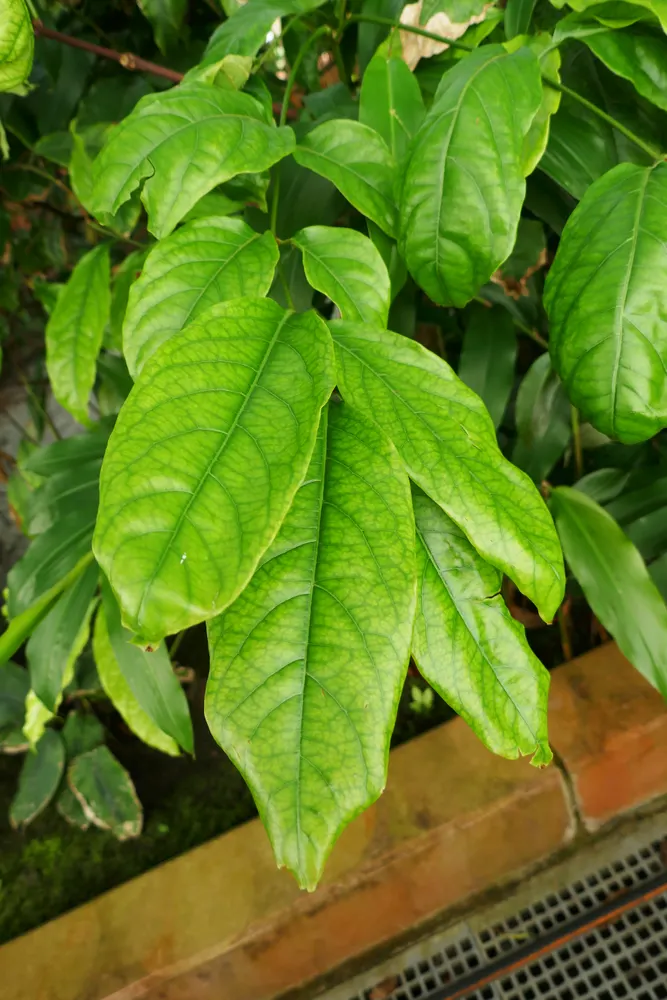
Photo: Ji-Elle, CC BY-SA 4.0 (via Wikimedia Commons)
African Serpentwood
Rauvolfia vomitoria
Also known as Swamp Rauvolfia, Poison Devil's Pepper, African Snakeroot
Traditional uses
✦Across West and Central Africa, root preparations of Rauvolfia vomitoria were traditionally used by healers for a range of ailments, including fevers, agitation, and as a treatment for madness or nervous excitement, long before Western science identified the plant's powerful alkaloids. The root's dramatic effects on mood and blood pressure gave it a reputation as one of the more potent plants in the traditional pharmacopeia, and its very species name, vomitoria, points to the strong purgative and emetic effects early observers recorded. In the twentieth century, chemists isolated reserpine and related compounds from Rauvolfia species, which went on to shape early pharmaceutical treatments for hypertension and psychiatric conditions. That pharmaceutical history is a testament to the plant's genuine potency, and also the exact reason it is not a candidate for casual home use.
Growing guide
✦Fresh to dried
✦“A plant to know and respect, not one to gather and steep.”
Rauvolfia vomitoria is a close cousin of the more famous Indian snakeroot, Rauvolfia serpentina, and both plants share the alkaloid reserpine, once one of the first widely prescribed drugs for high blood pressure in modern medicine.
Rauvolfia vomitoria is not a kitchen or home-apothecary herb. Its root bark contains potent bioactive alkaloids, including reserpine, ajmaline, and related compounds, that can cause severe and dangerous drops in blood pressure, profound sedation, depression, and gastrointestinal distress including vomiting and diarrhea, consistent with the plant's own species name. Reserpine-type alkaloids have a documented association with depression and suicidal ideation with prolonged use, and this plant carries serious risk of drug interactions with antidepressants (especially MAOIs), antipsychotics, other blood pressure medications, and sedatives. It is considered unsafe in pregnancy and breastfeeding, and unsupervised use has caused serious harm and death in traditional and clinical settings. This entry is provided for botanical and historical reference only. Any use of this plant's derived compounds occurs solely through licensed pharmaceutical products under the direct supervision of a qualified physician. Do not forage, grow for consumption, or prepare any part of this plant at home. If you are curious about its historical pharmaceutical role or believe you may have been exposed to it, please speak with a doctor, toxicologist, or qualified healthcare professional.