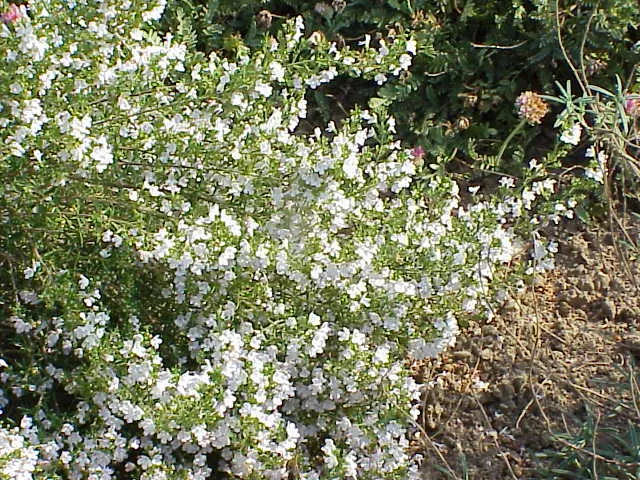
Photo: Kurt Stüber [1], CC BY-SA 3.0 (via Wikimedia Commons)
Winter Savory
Satureja montana
Also known as Mountain Savory, Winter Savory, Bohnenkraut (bean herb)
Key benefits
✦Traditional uses
✦Winter savory has flavored Mediterranean kitchens since Roman times, when Pliny the Elder wrote of savory being pressed into sauces and vinegars for its warm, peppery bite. Cooks have long called it the bean herb, tucking a sprig into pots of lentils and beans in the belief that it settled the stomach and eased the gassiness those foods can bring. Herbalists of old also turned to it for coughs, sore throats, and sluggish digestion, brewing the leaves into simple teas passed down through generations of home kitchens. It has held its place in the garden for thousands of years, valued as much for its hardy, evergreen nature as for its bite.
How to grow & use it
✦The full apothecary for Winter Savory
Traditional remedies and step-by-step preparations, a complete growing guide, and how to harvest, dry, and store it, all unlocked with HerbLens Unlimited.
- ✦Remedies & preparations
- ✦ Growing guide
- ✦Harvest & storage
From under $6 a month. Free plant identifications always included.
- ✦Thyme
- ✦Rosemary
- ✦Oregano
- ✦Summer Savory
- ✦Thyme
“When the beans are simmering and the kitchen wants an old, steady, peppery hand.”
The genus name Satureja is widely believed to trace back to the satyrs of Greek myth, the woodland spirits of Pan, because savory was reputed by the ancients to be a herb of vigor and was planted thickly around their sacred groves.
Safe in the amounts used for cooking and mild teas. The essential oil is highly concentrated and shouldn't be taken internally or applied undiluted to skin.