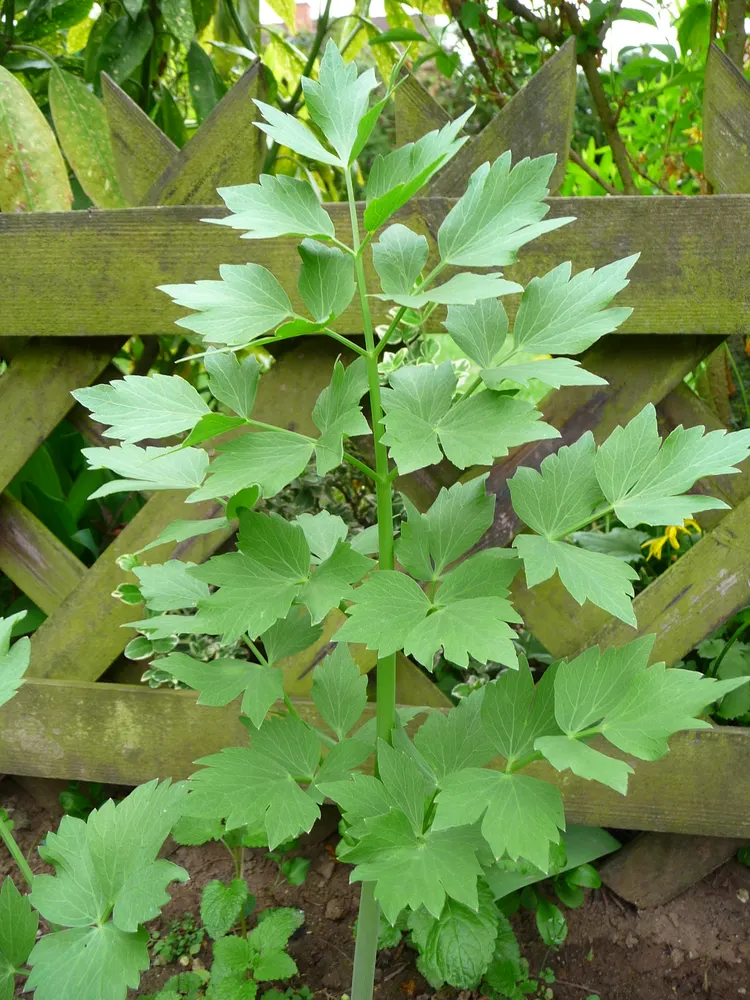
Photo: 4028mdk09, CC BY-SA 3.0 (via Wikimedia Commons)
Lovage
Levisticum officinale
Also known as Garden Lovage, Love Parsley, Sea Parsley, Maggi Herb, Liebstöckel
Key benefits
✦Traditional uses
✦Lovage has been a fixture of European kitchen gardens since at least medieval times, when monastery herbalists grew it alongside parsley and celery for both the pot and the medicine chest. German folk healers called it Liebstöckel and turned to it for sluggish digestion, bloating, and water retention, while root and seed decoctions were traditionally taken to ease coughs and settle an upset stomach. Its bold, celery-like flavor made it just as prized in the kitchen as in the still room, and it has traditionally been used as a warming digestive tonic after heavy meals.
How to grow & use it
✦The full apothecary for Lovage
Traditional remedies and step-by-step preparations, a complete growing guide, and how to harvest, dry, and store it, all unlocked with HerbLens Unlimited.
- ✦Remedies & preparations
- ✦ Growing guide
- ✦Harvest & storage
From under $6 a month. Free plant identifications always included.
- ✦Parsley
- ✦Thyme
- ✦Celery Seed
- ✦Celery leaf
- ✦Celery seed
“When your soup needs a deep, savory, celery-bright soul.”
Lovage's assertive, savory flavor is so close to the taste of bouillon cubes that German speakers still nickname it Maggikraut, or 'Maggi herb,' after the popular seasoning brand it is often mistaken for.
Lovage is a common culinary herb, but medicinal-strength use has traditionally been avoided in pregnancy since it was thought to stimulate the uterus, and its strong diuretic effect makes it unsuitable for anyone with serious kidney conditions. Its sap, like other carrot family plants, can increase skin sensitivity to sunlight, and those allergic to celery or carrot should be cautious.