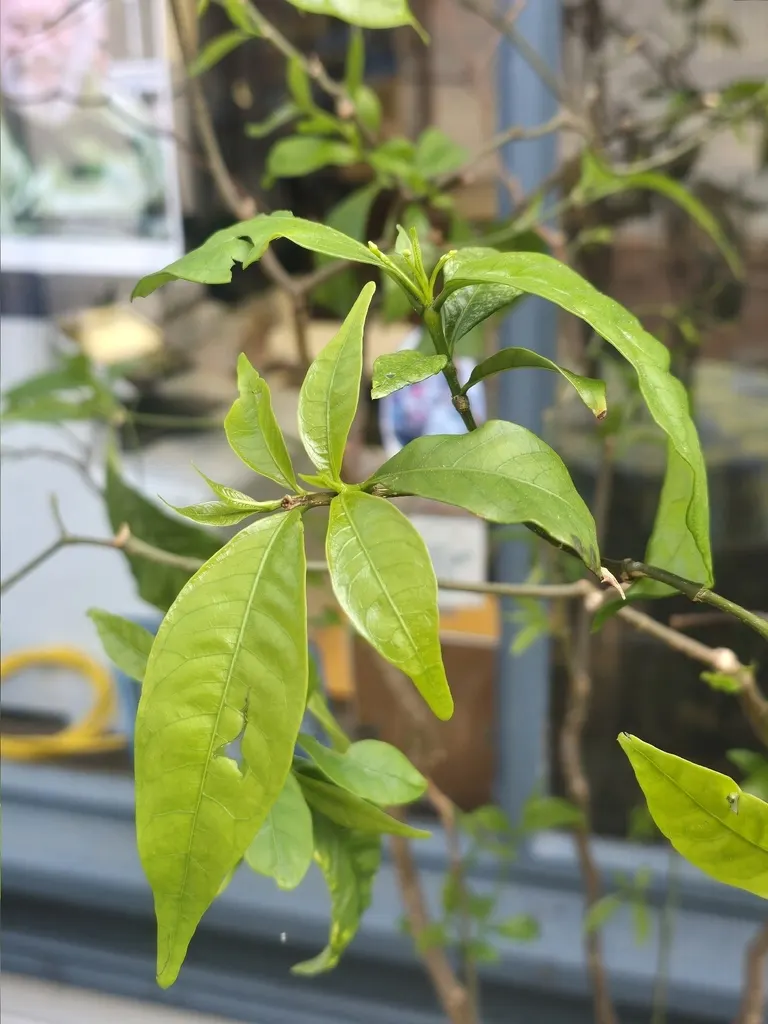
Photo: (c) Alan Rockefeller, CC BY (via iNaturalist)
Voacanga
Iboga voacanga
Also known as Wild Frangipani, False Iboga, Voacanga africana
Key benefits
✦Traditional uses
✦Voacanga grows across the same forests as its more famous relative, Tabernanthe iboga, and in parts of West and Central Africa its bark and seeds have historically been used in ritual, ceremonial, and traditional healing contexts, sometimes as a less intense stand-in for iboga itself. It has long been treated by traditional practitioners as a plant of real power, handled with caution and ceremony rather than everyday use. In more recent decades, its seeds became commercially important as a natural source of voacangine, an alkaloid chemists use as a starting material to produce ibogaine. That modern trade has made Voacanga one of the more quietly significant plants in the story of psychoactive alkaloid research, even though it rarely appears in ordinary herbal cabinets.
How to grow & use it
✦The full apothecary for Voacanga
Traditional remedies and step-by-step preparations, a complete growing guide, and how to harvest, dry, and store it, all unlocked with HerbLens Unlimited.
- ✦Remedies & preparations
- ✦ Growing guide
- ✦Harvest & storage
From under $6 a month. Free plant identifications always included.
“A plant to admire for its fragrance from a garden path, not one to steep in a cup.”
Voacanga africana seeds are traded legally in many countries as a commercial source of voacangine, the compound chemists convert into ibogaine, which makes this quietly unassuming shrub one of the plant world's most important links in modern alkaloid research even though it rarely gets the attention its famous relative iboga does.
Voacanga is a close relative of Tabernanthe iboga and contains a family of potent indole alkaloids, including voacangine and voacamine, chemically related to ibogaine. These compounds are pharmacologically powerful and have been linked to serious cardiac effects, including dangerous heart rhythm disturbances, as well as seizures, in cases of ingestion or extraction. Ibogaine itself is a controlled substance in the United States and several other countries, and unsupervised or unregulated use of iboga-related alkaloids has resulted in documented deaths, particularly in people with underlying heart conditions or those taking other medications. This plant should never be ingested, extracted, or used in any home preparation, and it is not appropriate for anyone who is pregnant, has cardiac issues, or takes prescription medications. It is grown and appreciated as an ornamental only. Anyone drawn to iboga-related plants for their traditional or ceremonial history should seek information from a qualified medical or addiction specialist rather than attempting any form of self-treatment.