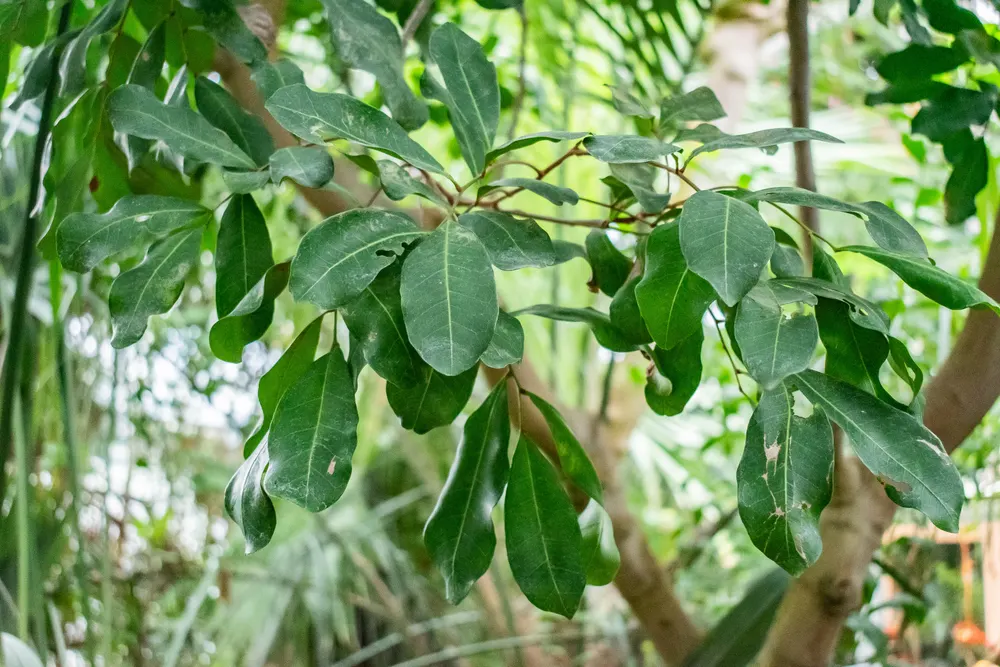
Photo: Tournasol7, CC BY 4.0 (via Wikimedia Commons)
Sichuan Pepper
Zanthoxylum bungeanum
Also known as Sichuan Peppercorn, Chinese Prickly Ash, Huajiao, Mala Pepper, Szechuan Pepper
Key benefits
✦Traditional uses
✦Long before it became famous for the tingling buzz it leaves on the tongue, Sichuan pepper was a fixture of the Chinese apothecary shelf, prized in traditional medicine for warming a cold or damp stomach, easing indigestion, and stirring a sluggish appetite back to life. Village healers chewed the husks or held them against an aching tooth, trusting the numbing sensation to dull the pain until real relief could be found. It traveled from medicine chest to cooking pot so completely that in Sichuan cuisine today, the two histories are inseparable, the same reddish husks that once steeped in a healer's decoction now bloom in hot oil at the start of a mapo tofu.
How to grow & use it
✦The full apothecary for Sichuan Pepper
Traditional remedies and step-by-step preparations, a complete growing guide, and how to harvest, dry, and store it, all unlocked with HerbLens Unlimited.
- ✦Remedies & preparations
- ✦ Growing guide
- ✦Harvest & storage
From under $6 a month. Free plant identifications always included.
- ✦Star Anise
- ✦Fresh Ginger
- ✦Cinnamon
- ✦Grains of Paradise
- ✦Japanese Sansho (Zanthoxylum piperitum)
“For the dish, or the moment, that should hum before it warms.”
The tingling buzz Sichuan pepper leaves on the lips isn't heat at all. It comes from a compound called hydroxy-alpha-sanshool, which tricks the touch receptors in your skin into firing as though something were vibrating against them, which is why the sensation feels less like chili fire and more like a phone set on silent.
Sichuan pepper is safe as a culinary spice in normal amounts, though it can numb the lips and tongue and occasionally trigger allergic reactions in those sensitive to citrus-family plants. Concentrated medicinal use is traditionally avoided during pregnancy.