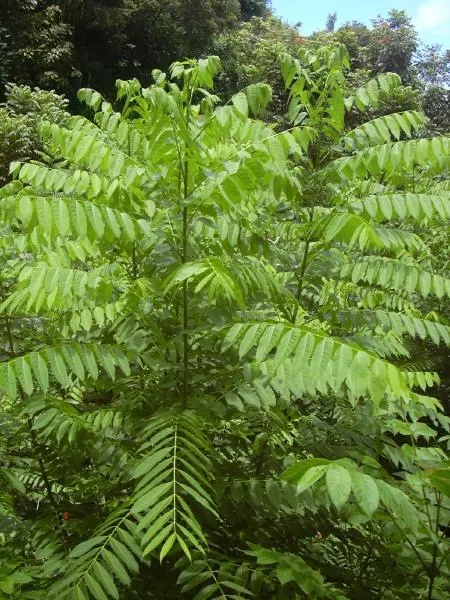
Photo: Public domain (via Wikimedia Commons)
Spanish Cedar
Cedrela odorata
Also known as Cedro, Cedro Rojo, Mexican Cedar, Cigar-Box Cedar, West Indian Cedar
Key benefits
✦Traditional uses
✦Long before Spanish cedar became famous as the wood lining cigar boxes and humidors, healers across Mexico, Central America, and the Caribbean were steeping strips of its bark into bitter decoctions for fevers, chills, and stomach complaints. In Maya and mestizo folk medicine, the bark was regarded as a cooling, cleansing remedy, something reached for when a fever ran hot or the gut ran uneasy. The tree's aromatic, faintly cedar-and-tobacco scented wood earned it a second life in carpentry, canoe building, and fine furniture, prized for resisting the very insects that plague softer timbers.
How to grow & use it
✦The full apothecary for Spanish Cedar
Traditional remedies and step-by-step preparations, a complete growing guide, and how to harvest, dry, and store it, all unlocked with HerbLens Unlimited.
- ✦Remedies & preparations
- ✦ Growing guide
- ✦Harvest & storage
From under $6 a month. Free plant identifications always included.
- ✦Ginger
- ✦Cinnamon
- ✦Lemongrass
- ✦Quassia bark
- ✦Neem bark
“For the deep, resinous calm of an old rainforest elder, standing tall over fevers and worry alike.”
Spanish cedar is the classic wood used to line cigar boxes and humidors, not for looks alone. Its natural aromatic oils help repel tobacco beetles and moths while gently regulating humidity, quietly shaping the flavor of the cigars stored inside.
Spanish cedar bark is strongly astringent with no standardized human dosing, so use traditional preparations sparingly, and avoid them during pregnancy and breastfeeding. Sawdust from processing the wood is a recognized respiratory and skin irritant, so woodworkers should avoid inhaling the dust.