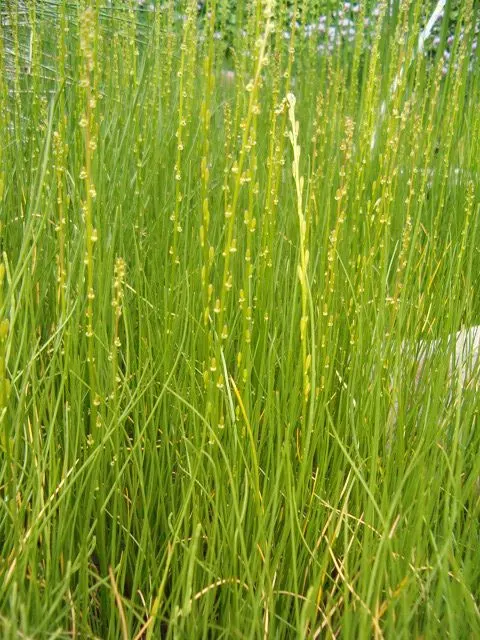
Photo: CC BY-SA 3.0 (via Wikimedia Commons)
Marsh Arrowgrass
Triglochin palustris
Also known as Marsh Arrow-grass, Bog Arrowgrass
Traditional uses
✦Marsh arrowgrass is easy to walk past, a slim rush-like plant standing quietly in wet meadows and salt marshes, and it has never held a place in the kitchen or the medicine chest the way its look-alike grasses have. What herbal tradition does record about it is mostly a warning passed down among farmers and shepherds, who learned by hard experience to keep grazing animals away from it, especially after a drought, a frost, or a hard cutting had left the plants wilted and stressed. Botanists and old-time naturalists valued it instead as a marker of healthy wetland, a small green flag that told you the ground beneath your boots was truly boggy.
How to grow & use it
✦The full apothecary for Marsh Arrowgrass
Traditional remedies and step-by-step preparations, a complete growing guide, and how to harvest, dry, and store it, all unlocked with HerbLens Unlimited.
- ✦Remedies & preparations
- ✦ Growing guide
- ✦Harvest & storage
From under $6 a month. Free plant identifications always included.
“A quiet green sentinel of the wet meadow, best admired where it grows and left alone.”
Marsh arrowgrass gets its common name from its fruit, a slender pod that splits from the base upward into arrow-like segments when ripe, a detail that has helped generations of botanists tell it apart from the true grasses and rushes it grows alongside.
Marsh arrowgrass (Triglochin palustris) is not a plant for the kitchen or the tea cup. It contains cyanogenic compounds, including triglochinin, which can release toxic hydrogen cyanide when the plant tissue is damaged, wilted, frosted, or drought stressed. It is a well documented cause of fatal poisoning in grazing livestock, particularly sheep and cattle that eat it after a frost or dry spell concentrates the toxin, and there is no established safe traditional dose for human ingestion. Do not eat, brew, or otherwise consume any part of this plant, and keep it away from grazing animals. If you suspect exposure or poisoning in a person or animal, contact poison control, a veterinarian, or emergency services right away. As always, speak with a qualified healthcare professional before using any wild or unfamiliar plant.