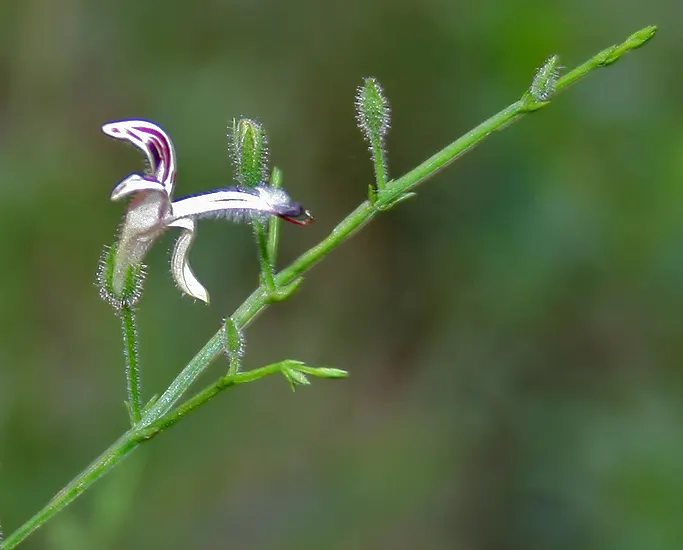
Photo: J.M.Garg, CC BY-SA 4.0 (via Wikimedia Commons)
King of Bitters
Andrographis paniculata
Also known as Kalmegh, Green Chiretta, Chuan Xin Lian, Indian Echinacea
Key benefits
✦Traditional uses
✦Andrographis paniculata has been called the King of Bitters for good reason, its leaves carry a bitterness so pronounced that generations of herbalists took it as a sign of potency. Known as Kalmegh across India, it became a household remedy reached for at the very first hint of fever or cold, so trusted during outbreaks of illness in Bengal that it earned the nickname 'the medicine of the common people.' Traditional Chinese medicine folded it into its own pharmacy as Chuan Xin Lian, using it to clear heat and settle the body during acute illness. Across both traditions, it was valued as a bitter tonic for the liver as much as a defense against seasonal ailments.
How to grow & use it
✦The full apothecary for King of Bitters
Traditional remedies and step-by-step preparations, a complete growing guide, and how to harvest, dry, and store it, all unlocked with HerbLens Unlimited.
- ✦Remedies & preparations
- ✦ Growing guide
- ✦Harvest & storage
From under $6 a month. Free plant identifications always included.
- ✦Ginger
- ✦Licorice root
- ✦Turmeric
- ✦Echinacea
- ✦Neem
“The bitter herb reached for at the very first hint of a cold.”
The name Kalmegh translates roughly to 'dark cloud,' a nod to the deep, almost blue-green color of its intensely bitter leaves.
Traditionally avoided in pregnancy due to its historic uterine-stimulating reputation. It may interact with blood thinners, blood pressure medication, and immune-suppressing drugs, and those with autoimmune conditions should use it cautiously since it can stimulate immune activity.