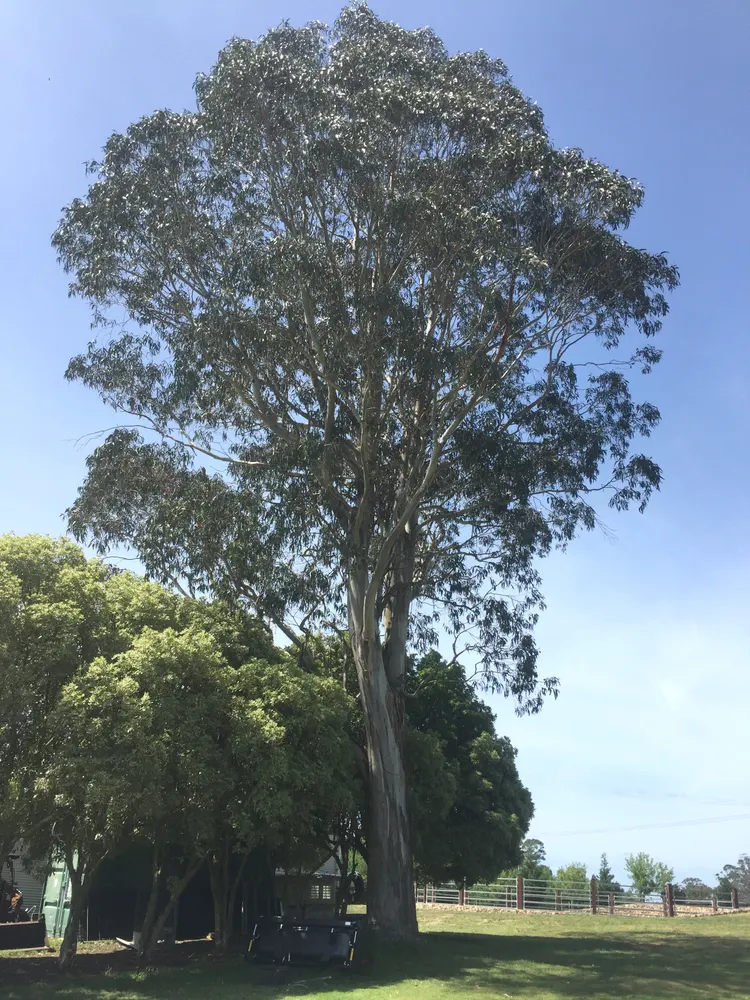
Photo: Geekstreet, CC BY-SA 4.0 (via Wikimedia Commons)
Southern Blue Gum
Eucalyptus bicostata
Also known as Eurabbie, Blue Gum, Southern Blue Gum
Key benefits
✦Traditional uses
✦Long before eucalyptus oil lined pharmacy shelves, Aboriginal Australians turned to the leaves and bark of blue gum eucalypts for wounds, fevers, and the aches of everyday life, often crushing the leaves to release their sharp, camphor-like scent for inhaling. Eucalyptus bicostata, known regionally as Eurabbie, became one of the tall timber and oil trees settlers prized both for its hardy lumber and for the cineole-rich oil pressed from its foliage. As colonial and later Western herbalism adopted eucalyptus, steam inhalations and chest rubs made from its leaves and oil became a household staple for the stuffy head and heavy chest that come with a winter cold. That legacy lives on today, mostly through the same gentle, external rituals that first made this tree beloved.
How to grow & use it
✦The full apothecary for Southern Blue Gum
Traditional remedies and step-by-step preparations, a complete growing guide, and how to harvest, dry, and store it, all unlocked with HerbLens Unlimited.
- ✦Remedies & preparations
- ✦ Growing guide
- ✦Harvest & storage
From under $6 a month. Free plant identifications always included.
- ✦Peppermint
- ✦Thyme
- ✦Rosemary
- ✦Tea Tree
- ✦Peppermint
“For when a stuffy head is asking for a clear, cool path to breathe again.”
The soft blue-grey haze that hangs over Australia's Blue Mountains comes largely from eucalyptus oil, the same volatile compounds packed into blue gum leaves like these scatter sunlight as they evaporate into the air on hot days, tinting the distant forest a hazy blue.
Eucalyptus essential oil is toxic if swallowed, even in small amounts, and can be dangerous to children and pets, so it's used only externally or inhaled, diluted for skin use, and never taken internally. It may also interact with sedative or diabetes medications.