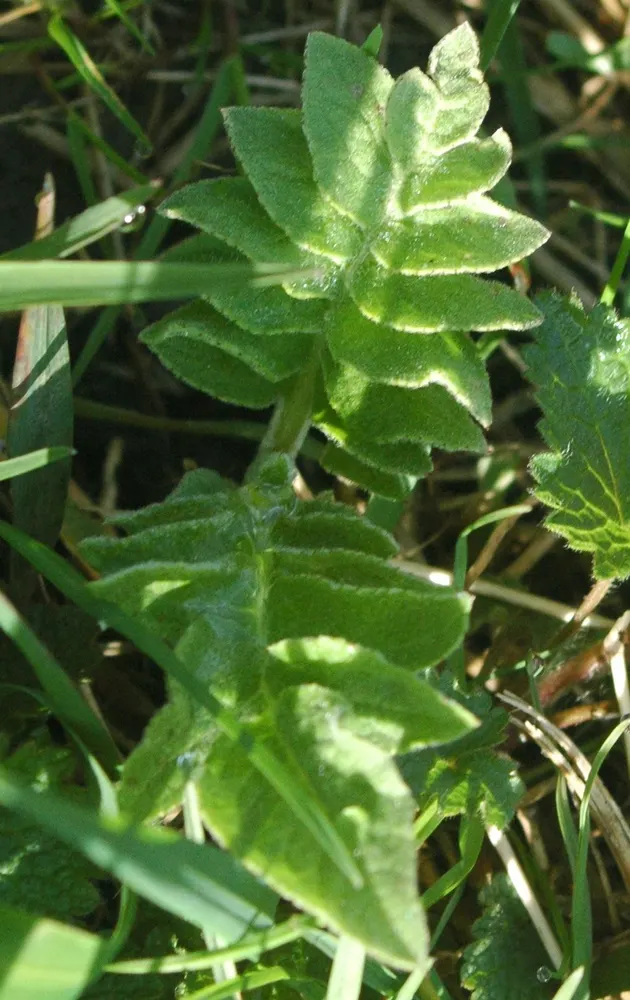
Photo: Doronenko 08:35, 9 April 2007 (UTC), CC BY 2.5 (via Wikimedia Commons)
Maral Root
Rhaponticum carthamoides
Also known as Leuzea, Russian Leuzea, Rhaponticum, Big-Head Rhaponticum
Key benefits
✦Traditional uses
✦High in the Altai mountains, Siberian hunters and herders dug maral root from mountain meadows to brew as a tonic against exhaustion, weakness, and the long grind of cold-season work. It was traditionally taken by those recovering from illness or overwork, when strength and appetite needed coaxing back. Folk healers of the region also turned to it as a general vitality tonic for aging bodies and tired minds. Its reputation traveled slowly out of Siberia, and it remains one of the lesser-known adaptogens of the old world herbal tradition, standing alongside rhodiola and eleuthero in the northern apothecary.
How to grow & use it
✦The full apothecary for Maral Root
Traditional remedies and step-by-step preparations, a complete growing guide, and how to harvest, dry, and store it, all unlocked with HerbLens Unlimited.
- ✦Remedies & preparations
- ✦ Growing guide
- ✦Harvest & storage
From under $6 a month. Free plant identifications always included.
- ✦Rhodiola rosea
- ✦Eleuthero (Siberian ginseng)
- ✦Schisandra berry
- ✦Rhodiola rosea
- ✦Ashwagandha
“For the long climb, the short daylight, and the strength to keep going anyway.”
The plant's common name comes from the maral, a Siberian red deer. Local hunters noticed the stags pawing up and chewing the roots, especially during the demanding rutting season, and took it as a sign of the plant's power to build strength and vigor, a reputation that stuck to the herb ever since.
Maral root is a stimulating tonic best avoided in pregnancy and breastfeeding, since safety data is limited. It can disrupt sleep if taken late in the day, and anyone with a hormone-sensitive condition or on prescription medication should be cautious since interactions aren't well studied.