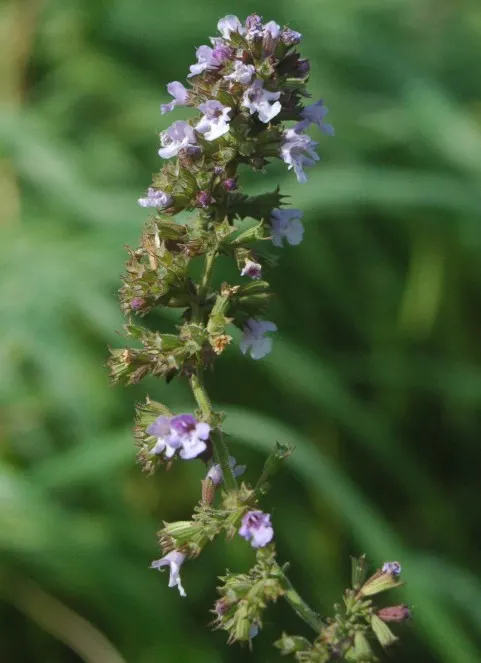
Photo: Stanislav Doronenko, CC BY 2.5 (via Wikimedia Commons)
Small-flower Balm
Melissa parviflora
Key benefits
✦Traditional uses
✦Small-flower balm belongs to the same small, fragrant family as the well-loved lemon balm, Melissa officinalis, and it shares that plant's soft, lemon-mint scent when the leaves are bruised. Unlike its famous cousin, though, this particular species has left few footprints in the historical record. Old herbals and regional folk traditions that name it specifically are scarce, so its story has largely stayed a quiet, local one rather than a widely written one. What we can say with confidence comes from the genus it belongs to, Melissa, whose very name descends from the Greek word for honeybee, a nod to how irresistibly these plants have always drawn pollinators to the garden.
How to grow & use it
✦The full apothecary for Small-flower Balm
Traditional remedies and step-by-step preparations, a complete growing guide, and how to harvest, dry, and store it, all unlocked with HerbLens Unlimited.
- ✦Remedies & preparations
- ✦ Growing guide
- ✦Harvest & storage
From under $6 a month. Free plant identifications always included.
- ✦Lemon balm (Melissa officinalis) is the closest relative and the usual stand-in where its history and uses are better documented
“For the gardener drawn to the quieter, lesser-told corners of a well-loved plant family.”
The genus name Melissa comes straight from the ancient Greek word for honeybee, given to these plants because bees have always seemed unable to resist their lemony blossoms.
Little safety data exists for this specific species, so don't assume it shares lemon balm's safety profile, and confirm identification before any use.