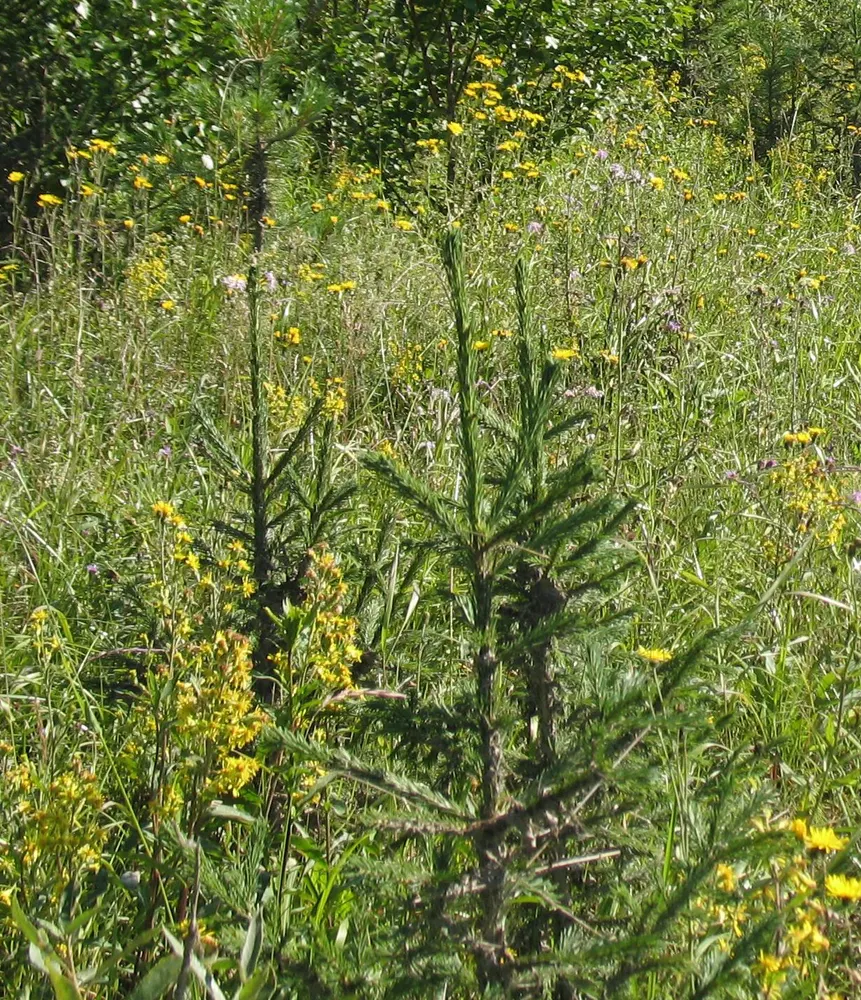
Photo: ugraland, CC BY 2.0 (via Wikimedia Commons)
Siberian Spruce
Picea obovata
Also known as Siberian Spruce, Obovate Spruce, Ayan Spruce (regional), Russian Spruce
Key benefits
✦Traditional uses
✦Across the taiga, Siberian spruce was one of the great winter survival plants. Its young needles were steeped into tart, resin-scented infusions that families and hunters relied on through the long cold months, prized long before modern nutrition science explained why they worked so well. Folk healers in Russia and Scandinavia used spruce tip preparations to soothe coughs and sore throats, and the fresh green tips were chewed or brewed as an everyday tonic to keep bodies strong when little else was growing. The resin, too, had its place, dabbed onto small wounds and rough skin as a traditional protective balm.
How to grow & use it
✦The full apothecary for Siberian Spruce
Traditional remedies and step-by-step preparations, a complete growing guide, and how to harvest, dry, and store it, all unlocked with HerbLens Unlimited.
- ✦Remedies & preparations
- ✦ Growing guide
- ✦Harvest & storage
From under $6 a month. Free plant identifications always included.
- ✦Pine needle
- ✦Lemon balm
- ✦Fresh ginger
- ✦White pine tips
- ✦Douglas fir tips
“When the taiga wind turns sharp, and you want a cup that tastes like the forest itself.”
For centuries, sailors and northern travelers brewed spruce needles into a rough beer or tea specifically to ward off scurvy on long voyages and winters, unknowingly tapping into one of the richest plant sources of vitamin C available in cold climates.
True spruce needles are safe, but be sure of identification first, since toxic yew is sometimes mistaken for spruce by beginners. Concentrated essential oil shouldn't be taken internally and can irritate skin if used undiluted.