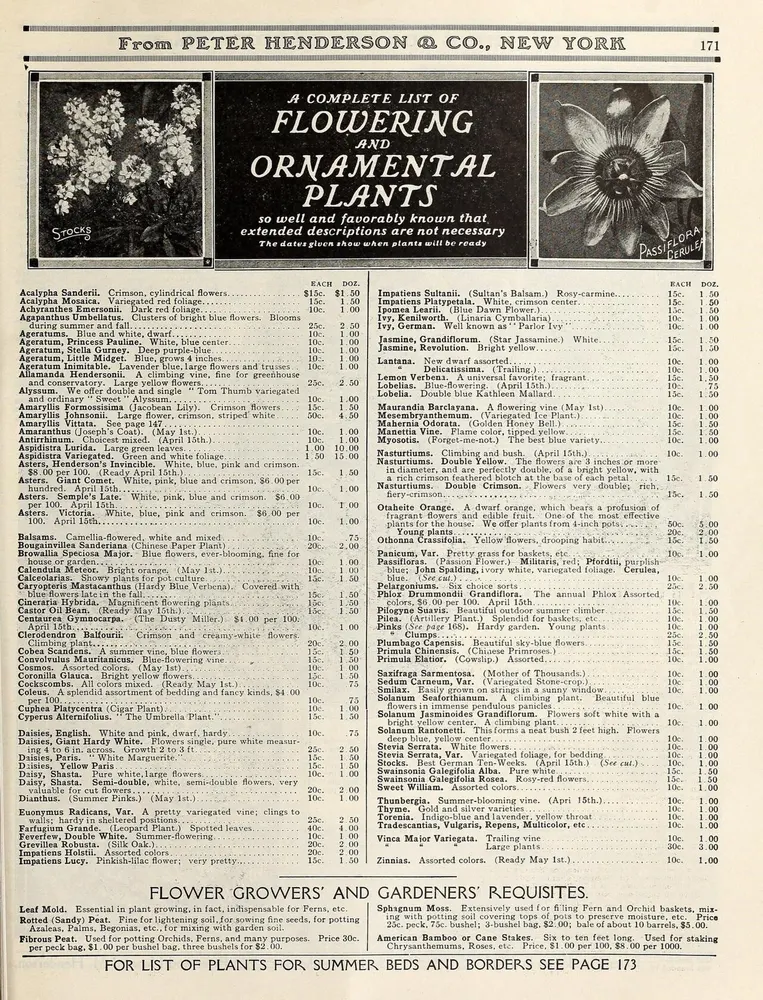
Photo: Henry G. Gilbert Nursery and Seed Trade Catalog Collection.; Peter Henderson & Co., Public domain (via Wikimedia Commons)
Wild Cineraria
Cineraria saxifraga
Also known as Geelblom, Cape Wild Cineraria
Key benefits
✦Traditional uses
✦Wild Cineraria has no established history as a medicinal or culinary herb. Its story instead belongs to the rock gardens and shaded banks of the Cape, where generations of South African gardeners have prized it for spreading a soft green mound studded with gold daisies in places few other plants will settle. Botanists have long admired how it clings to cliffs and forest edges in the wild, a small, cheerful survivor of some of the Cape's shadiest, rockiest ground. Its Afrikaans name, geelblom, simply means yellow flower, a nod to the burst of color it offers rather than to any traditional remedy.
How to grow & use it
✦The full apothecary for Wild Cineraria
Traditional remedies and step-by-step preparations, a complete growing guide, and how to harvest, dry, and store it, all unlocked with HerbLens Unlimited.
- ✦Remedies & preparations
- ✦ Growing guide
- ✦Harvest & storage
From under $6 a month. Free plant identifications always included.
- ✦Pelargonium (Cape geranium)
- ✦Plectranthus
- ✦Osteospermum
- ✦Cineraria lobata, a related South African species with a similar rock-garden habit
- ✦Othonna species, another Cape daisy relative for shaded, rocky spots
“For the shady, rocky corner of the garden that needs a scatter of gold.”
The cheerful potted 'cineraria' sold in florist shops every winter is not actually this plant at all. It is Pericallis hybrida, a different genus once lumped into Cineraria and still carrying the old common name, while true wild Cineraria species like this one quietly hold their ground on Cape cliffsides.
Cineraria saxifraga belongs to the Senecioneae tribe of the daisy family, the same botanical group as Senecio, and many plants in this group, including well-studied cultivated relatives such as Senecio cineraria, are documented sources of pyrrolizidine alkaloids, compounds known to cause serious and sometimes irreversible liver damage when eaten. No part of Wild Cineraria should ever be brewed, eaten, or fed to livestock or pets, even though specific toxicity data on this exact species is limited, because its close relatives in the same group are established poisoning risks for grazing animals. Keep it out of reach of children and animals, and treat it strictly as a garden ornamental. If you have questions about a plant exposure or ingestion, contact a doctor, veterinarian, or poison control center right away rather than relying on home remedies.