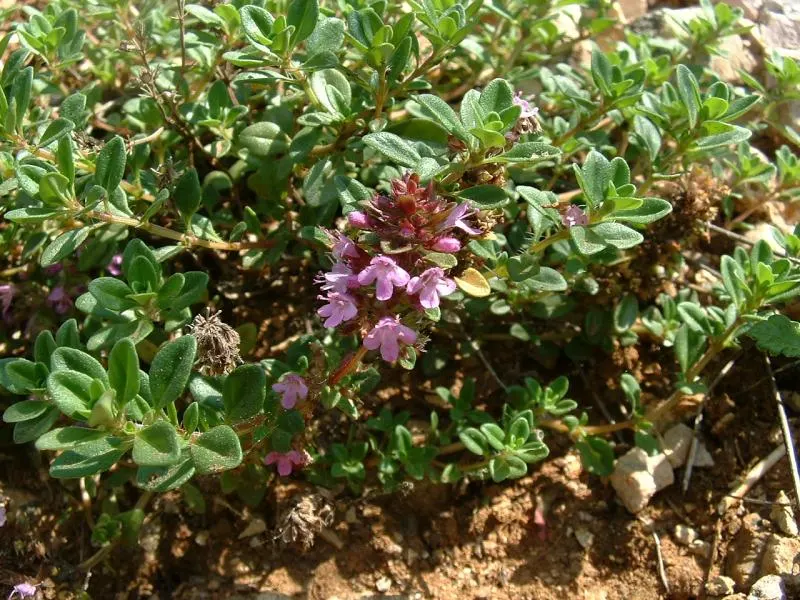
Photo: CC BY-SA 3.0 (via Wikimedia Commons)
Wild Thyme
Thymus serpyllum
Also known as Creeping Thyme, Mother of Thyme, Serpolet
Key benefits
✦Traditional uses
✦Long before it found its way into cottage gardens, wild thyme scented the hillsides of Europe, where shepherds and foragers gathered it for coughs, digestive complaints, and simple everyday ailments. Ancient Greeks burned it as incense for courage, and it was tucked into pillows and posies to freshen sickrooms and ward off fatigue. Country households traditionally brewed it into tea for chest colds and sore throats, and its honey, made by bees working thyme-covered slopes, was treasured as a delicacy in its own right. Even today, herbalists reach for wild thyme much as their grandmothers did, as a warming, aromatic ally for the cold season.
How to grow & use it
✦The full apothecary for Wild Thyme
Traditional remedies and step-by-step preparations, a complete growing guide, and how to harvest, dry, and store it, all unlocked with HerbLens Unlimited.
- ✦Remedies & preparations
- ✦ Growing guide
- ✦Harvest & storage
From under $6 a month. Free plant identifications always included.
- ✦Sage
- ✦Honey
- ✦Lemon balm
- ✦Common thyme (Thymus vulgaris)
- ✦Oregano
“You want the scent of a sun-warmed hillside caught in a single small leaf.”
Wild thyme carpets so many old sheep pastures and heathlands in Britain and Scandinavia that it earned the folk name Mother of Thyme, and its nectar was long prized for giving mountain honey its deep, almost peppery flavor.
Wild thyme is generally recognized as safe when used in the modest culinary and tea amounts described here, but its essential oil is concentrated and should never be taken internally or applied undiluted to the skin, as it can be irritating and, in excess, toxic. Those with allergies to plants in the mint family, and pregnant or breastfeeding women, should avoid medicinal-strength preparations and stick to normal culinary use only. As with any herb used medicinally, it is wise to speak with a qualified healthcare professional before using wild thyme for symptom relief, especially alongside other medications.