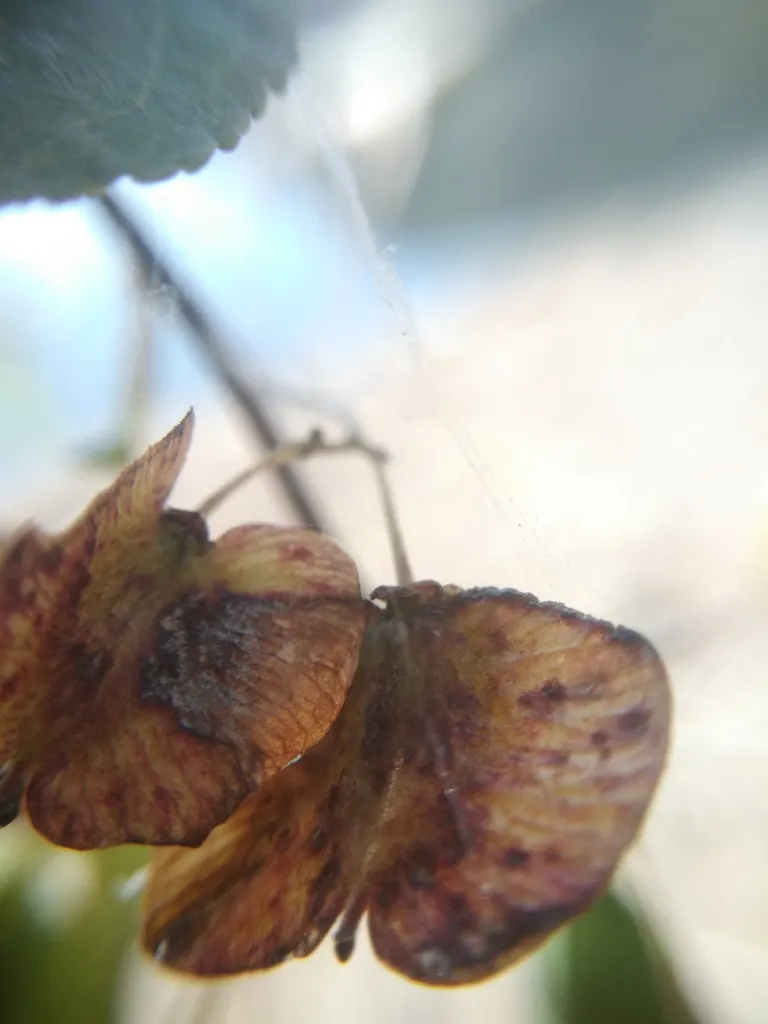
Photo: (c) alejandrozab, CC BY (via iNaturalist)
Mexican Wimmeria
Wimmeria mexicana
Also known as Wimmeria
Key benefits
✦Traditional uses
✦Wimmeria mexicana grows quietly in the dry forests and thorn scrub of Mexico, better known to foresters and field botanists than to herbalists. It belongs to the same family as better-studied medicinal trees, but unlike its cousins it has left little trace in the written ethnobotanical record, and no well-documented tradition of medicinal or culinary use has come down to us. What local knowledge exists points mostly toward its wood, valued in some regions for its strength and fine grain rather than for any remedy. It remains, for now, a tree appreciated more for its place in the landscape than for anything brewed or eaten.
How to grow & use it
✦The full apothecary for Mexican Wimmeria
Traditional remedies and step-by-step preparations, a complete growing guide, and how to harvest, dry, and store it, all unlocked with HerbLens Unlimited.
- ✦Remedies & preparations
- ✦ Growing guide
- ✦Harvest & storage
From under $6 a month. Free plant identifications always included.
“For the quiet trees that hold a dry forest together, long before they hold a place in any medicine cabinet.”
Wimmeria mexicana shares its family, Celastraceae, with plants as different as the invasive Oriental bittersweet vine and the slow, ornamental spindle trees grown in cool-climate gardens, yet this Mexican relative keeps to dry, rocky forest slopes rather than garden borders or hedgerows.
Wimmeria mexicana has no established use as food or medicine, and related plants in its family can contain irritating or toxic compounds, so no part of it should be eaten.