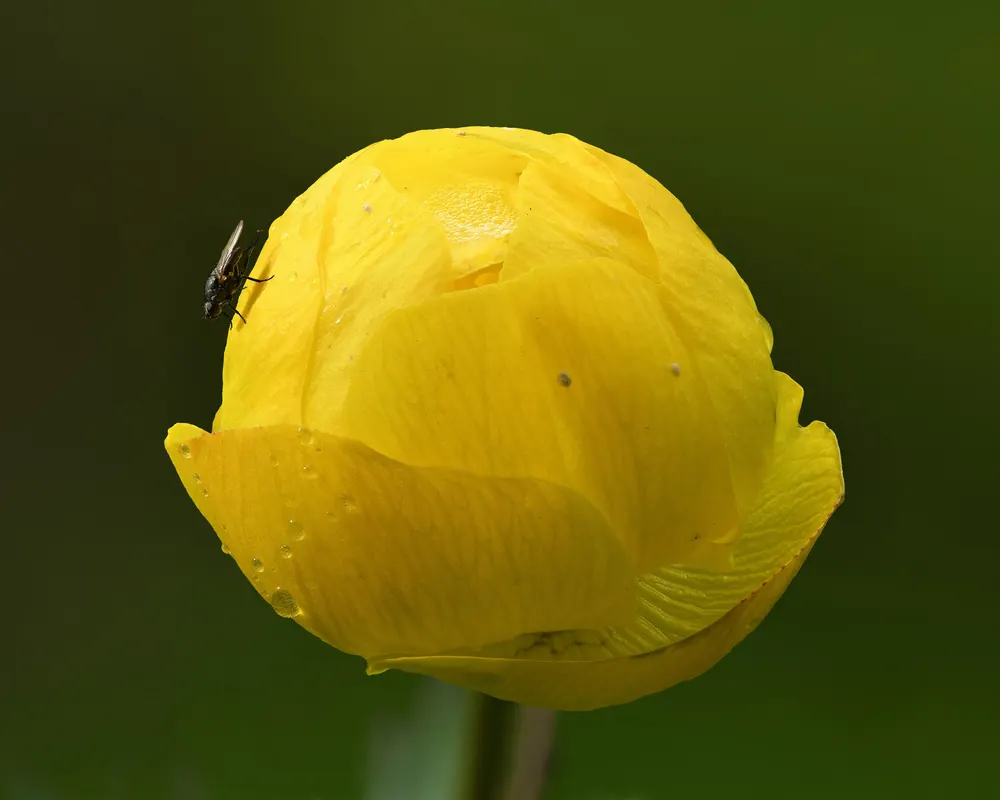
Photo: Ivar Leidus, CC BY-SA 4.0 (via Wikimedia Commons)
Globeflower
Trollius europaeus
Also known as Globeflower, European Globeflower, Trollblume, Lucken Gowan, Witches' Gowan
Key benefits
✦Traditional uses
✦Globeflower has long been treasured more for its beauty than for the medicine chest, gracing damp Alpine meadows and cottage gardens with globes of gold each early summer. In parts of Scandinavia and the Alps it became a festival flower, gathered into garlands for May Day and midsummer celebrations, and in Sweden village fairs called Trollblomsterfest once centered on its bloom. Because it belongs to the buttercup family and carries the same acrid sap common to its relatives, European herbalists have traditionally treated it as a plant to admire rather than to steep, prized in the garden and in folk story far more than in the teacup.
How to grow & use it
✦The full apothecary for Globeflower
Traditional remedies and step-by-step preparations, a complete growing guide, and how to harvest, dry, and store it, all unlocked with HerbLens Unlimited.
- ✦Remedies & preparations
- ✦ Growing guide
- ✦Harvest & storage
From under $6 a month. Free plant identifications always included.
- ✦Astilbe
- ✦Primula (candelabra types)
- ✦Siberian iris
- ✦Caltha palustris (marsh marigold)
- ✦Trollius chinensis (Chinese globeflower)
“When a damp meadow calls for a burst of gold that never quite unfurls.”
Globeflower blossoms never fully open. Their tightly cupped petals form a near-sealed globe that only one specialist, the tiny globeflower fly (Chiastocheta), can wriggle into to pollinate, making flower and fly one of the most tightly matched partnerships in the plant world.
Globeflower belongs to the buttercup family (Ranunculaceae) and, like many of its relatives, contains protoanemonin in its fresh sap, an acrid compound that can irritate the skin, eyes, and mucous membranes on contact and may cause nausea or digestive upset if chewed or swallowed fresh. It has no established history as a food or internal medicine in Western herbalism and is not recommended for ingestion in any form. In some regions, including parts of the United Kingdom, it is an increasingly scarce wildflower and should be left undisturbed rather than foraged. Wear gloves when handling the fresh plant, keep it away from children and pets, and speak with a qualified herbalist, botanist, or physician before using any unfamiliar plant medicinally.