HerbLensGo Plus
← Plant library
Plant photo

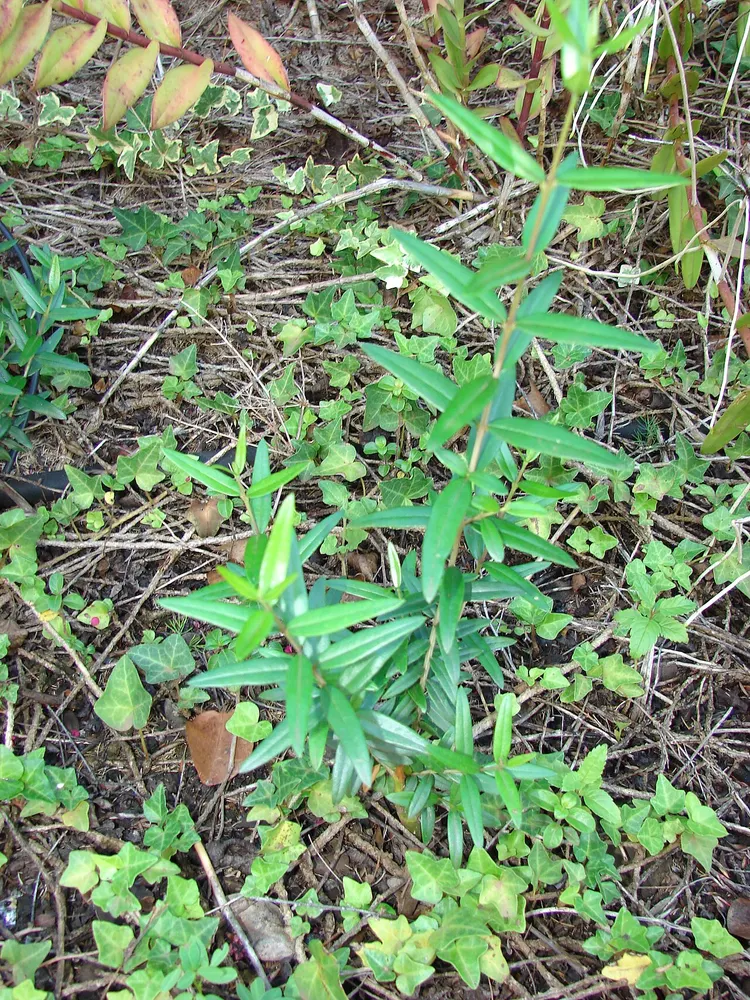
Photo: Forest & Kim Starr, CC BY 3.0 (via Wikimedia Commons)

✦ Free preview: full page unlocked

African Wild Olive

Olea europaea africana

Also known as Wild Olive, African Olive, Umnquma (Zulu), Olienhout (Afrikaans), Mutlhwari

At a glance
Family
Oleaceae
Type
Evergreen tree
Parts used
Leaves (primarily), also bark and fruit
Size
Typically 8 to 15 feet as a garden tree, though old wild specimens can reach 30 feet or more
Bloom
Small, cream to white flowers in late spring to early summer, followed by small dark, olive-like fruit
Habitat
Woodlands, forest margins, riverbanks, and rocky hillsides across much of sub-Saharan Africa
Acquisition
Grow or buy

Key benefits

Traditionally supports immune resilience
Traditionally supports healthy circulation
Rich in antioxidant compounds
Traditionally soothing for skin

Traditional uses

Long before the cultivated olive traveled the Mediterranean, its African cousin was already deeply woven into the herbal traditions of southern and eastern Africa. Communities including the Zulu and Xhosa have traditionally steeped the bitter, leathery leaves into teas and washes used as a general tonic and for easing fevers. The tree itself, slow growing and famously hardy, was also prized for its dense, tool-worthy wood and for fruit that birds and people alike have foraged for generations. Its close kinship to the olive that fills groves from Spain to Greece meant that as herbalism crossed continents, the two came to be used in strikingly similar ways.

Growing guide

Sun
Full sun. This tree thrives in bright, open positions and will grow leggy and sparse in heavy shade.
Soil
Not fussy. It tolerates poor, rocky, or sandy soil so long as drainage is good, and it dislikes waterlogged roots.
Water
Drought tolerant once established. Water regularly for the first year or two, then let the tree largely fend for itself.
Planting
Grow from fresh seed (soak and nick the hard coat to help germination) or from semi-hardwood cuttings. It is slow to establish but very long lived, and makes a wonderful hedge, windbreak, or specimen tree once it settles in.

Fresh to dried

Harvest
Because the tree is evergreen, leaves can be gathered any time of year. Choose mature, unblemished leaves and harvest lightly so the tree keeps its shade and shelter for wildlife.
Drying
Spread the leaves in a single layer somewhere warm, dry, and out of direct sun, turning occasionally, until they are crisp and easily crumbled, usually within a week or two.
Storage
Store dried, whole leaves in an airtight glass jar away from light and heat. They will keep their character for up to a year, though crumbling them just before use preserves the most flavor and potency.
Best forms
Dried leaf for tea and infusions is the most traditional and accessible form.

Traditional preparations

Featured preparation

Wild Olive Leaf Tea

A bitter, herbaceous infusion traditionally taken as a gentle daily tonic.

How it's made. Steep 1 teaspoon of dried, crumbled leaves in 250 ml of just-boiled water for 10 minutes, then strain. Traditionally taken once daily, often sweetened lightly with honey to soften the bitterness.

Pairs well with
  • Hawthorn
  • Hibiscus
  • Lemon balm
Substitutes
  • European olive leaf (Olea europaea)
  • Green tea
Choose it when

For a steady, bitter-green tonic carried down from the woodland traditions of Africa.

Did you know?

African wild olive is not a separate species at all, but a subspecies of the very same tree, Olea europaea, that gives the world its cultivated olives and olive oil, just adapted over millennia to African woodlands rather than Mediterranean groves.

Safety

Olive leaf can lower blood pressure and blood sugar, so it may intensify the effects of medications for hypertension or diabetes.