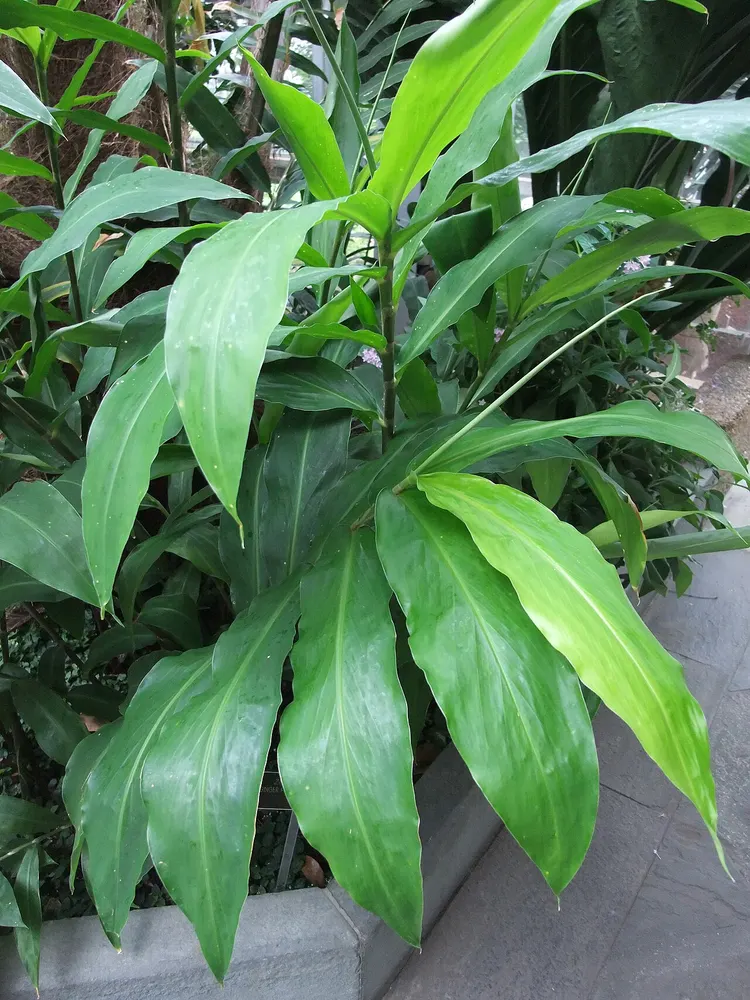
Photo: Chhe, Public domain (via Wikimedia Commons)
Ottens' Ginger
Zingiber ottensii
Also known as Ottens' ginger, Wild forest ginger
Key benefits
✦Traditional uses
✦Zingiber ottensii is one of the many lesser-known wild gingers tucked into the shaded forest floors of Thailand, a quieter cousin to the ginger, turmeric, and galangal that fill kitchens and medicine chests around the world. It has not built up the long, well-documented history of household use that its relatives enjoy, but botanists and local plant gatherers have long noted it as part of the rich Zingiberaceae tapestry of Southeast Asian forests. In recent decades it has drawn attention mainly from researchers curious about the aromatic oils held in its rhizome, rather than from any widespread folk tradition of steeping or cooking with it. For now, it remains more a plant of the forest and the herbarium than of the pantry or the remedy cabinet.
How to grow & use it
✦The full apothecary for Ottens' Ginger
Traditional remedies and step-by-step preparations, a complete growing guide, and how to harvest, dry, and store it, all unlocked with HerbLens Unlimited.
- ✦Remedies & preparations
- ✦ Growing guide
- ✦Harvest & storage
From under $6 a month. Free plant identifications always included.
- ✦Turmeric (Curcuma longa)
- ✦Galangal (Alpinia galanga)
- ✦Cardamom (Elettaria cardamomum)
- ✦Zerumbet ginger (Zingiber zerumbet)
“For the deep, green hush of a Southeast Asian forest floor, tucked into a shaded corner of your own garden.”
The genus name Zingiber traces back to the ancient Sanskrit word srngavera, meaning horn-shaped, a nod to the antler-like branching of ginger rhizomes as they push through forest soil.
Zingiber ottensii has no established history of safe use, so it should not be eaten, brewed, or used as a home remedy.