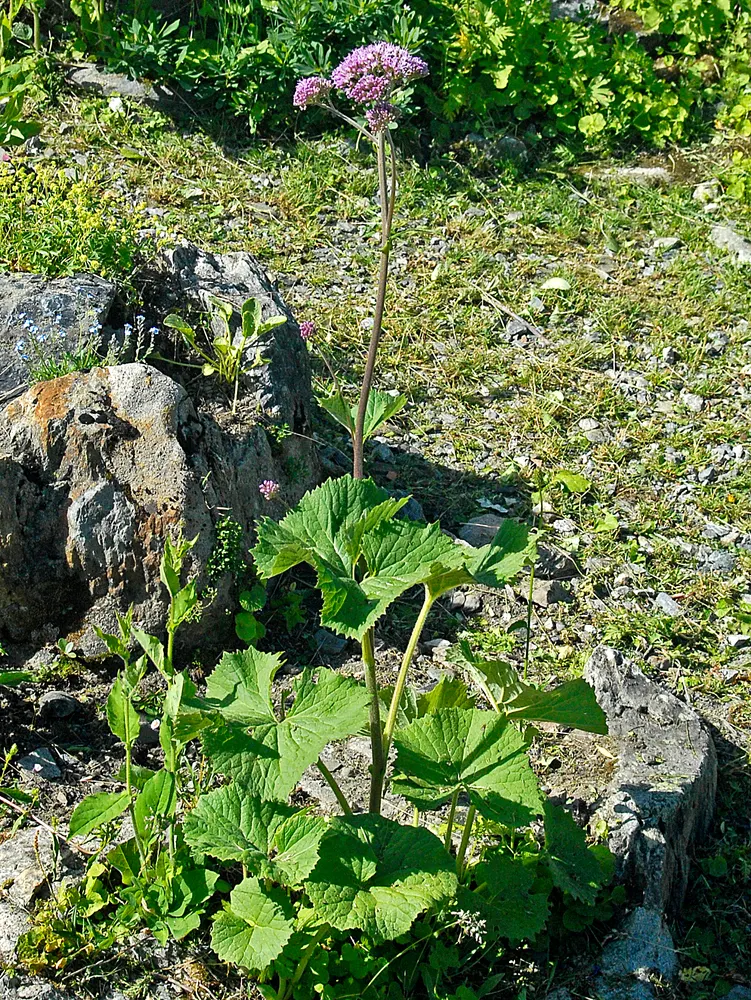
Photo: Hectonichus, CC BY-SA 3.0 (via Wikimedia Commons)
Alpine Sweet Coltsfoot
Adenostyles alliariae
Also known as Green Alpine Sweet Coltsfoot, Alliaria-leaved Adenostyles, Alpendost, False Butterbur of the Alps
Key benefits
✦Traditional uses
✦In the high pastures of the Alps, shepherds and villagers once gathered the broad, heart-shaped leaves of Alpine sweet coltsfoot to bind over bruises, blisters, and minor wounds, much as lowland communities used its relative, common coltsfoot. Its huge leaves and thick, hollow stems made it easy to recognize and easy to reach for in a pinch, high above the treeline where other soft-leaved herbs were scarce. Old Alpine herbals also mention it being steamed over for chest complaints, echoing the folk logic that a broad-leaved, moisture-loving plant would ease a damp cough. Today, herbalists regard these uses as historical curiosities rather than practices to revive, since the plant's chemistry tells a more cautionary story than its folklore does.
Growing guide
✦Fresh to dried
✦- ✦Arnica (Arnica montana)
- ✦Yarrow (Achillea millefolium)
- ✦Coltsfoot (Tussilago farfara)
- ✦Calendula, for gentle traditional wound care
- ✦Plantain (Plantago major), for a safer folk poultice
“When the snowmelt runs cold down an Alpine gully and the slope turns suddenly, impossibly green, this is the giant-leaved plant that claims the ground first.”
Alpine sweet coltsfoot is a keystone member of what botanists call the 'tall herb' or megaforb community, the lush green flush of oversized leaves that erupts on Alpine slopes within days of the snowline retreating, giving marmots, ibex, and countless insects one of the first real meals of the mountain summer.
Alpine Sweet Coltsfoot contains pyrrolizidine alkaloids, the same liver-damaging, potentially carcinogenic compounds found in comfrey and ragwort, so it is not used internally. Avoid it entirely during pregnancy and breastfeeding, and keep it away from children.