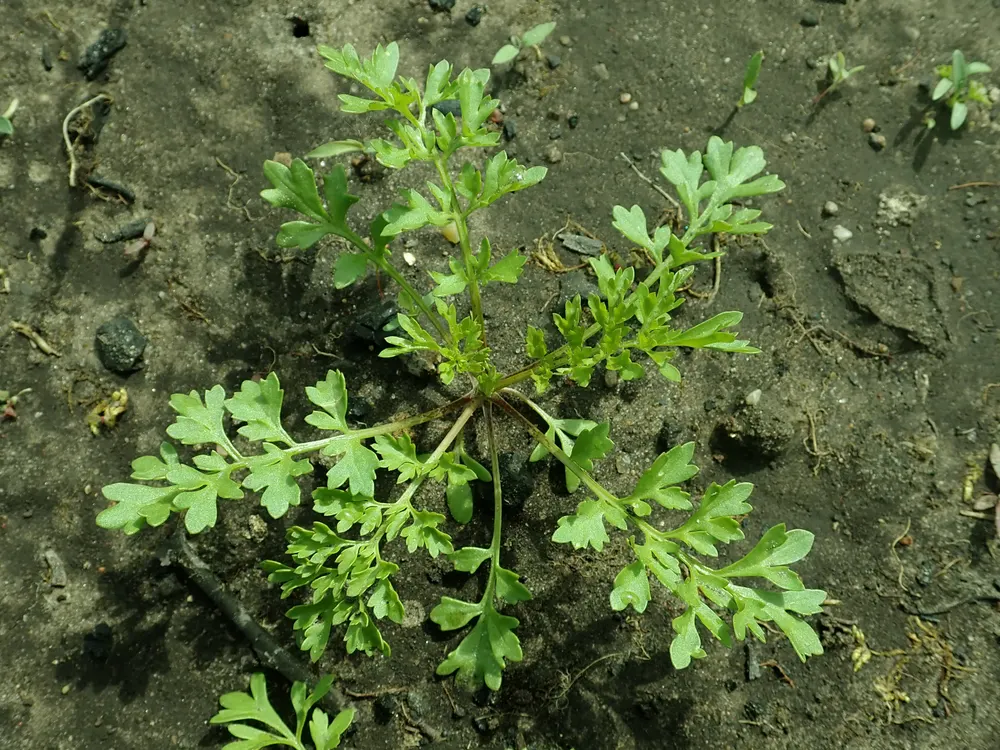
Photo: Salicyna, CC BY-SA 4.0 (via Wikimedia Commons)
Garden Cress
Lepidium sativum
Also known as Garden Pepper Cress, Pepperwort, Halim, Chandrashoor, Mustard Cress
Key benefits
✦Traditional uses
✦Garden cress has been eaten and doctored with since antiquity, prized by Egyptian and Persian households long before it became a familiar salad garnish. In Ayurvedic and Unani medicine the tiny reddish-brown seeds, known as halim or chandrashoor, were traditionally warmed into tonics for new mothers, believed to enrich breast milk and rebuild strength after childbirth. Across the Middle East and South Asia, a seed infusion was traditionally sipped for coughs, sluggish digestion, and low iron, while the fresh leaves were simply eaten for their bright, mustardy bite and their reputation as a blood-building spring green. It is a humble plant with an outsized place in kitchen medicine, valued as much for what it fed as for what it treated.
How to grow & use it
✦The full apothecary for Garden Cress
Traditional remedies and step-by-step preparations, a complete growing guide, and how to harvest, dry, and store it, all unlocked with HerbLens Unlimited.
- ✦Remedies & preparations
- ✦ Growing guide
- ✦Harvest & storage
From under $6 a month. Free plant identifications always included.
- ✦Nettle
- ✦Fenugreek
- ✦Fennel
- ✦Watercress
- ✦Arugula
“You want a fast, fiery little green that goes from seed to salad in the time it takes most herbs to wake up.”
Garden cress seeds are among the fastest-germinating seeds known, sprouting in as little as one to two days, which is why generations of schoolchildren have grown them on damp cotton wool as a first lesson in how plants come to life.
Safe in ordinary culinary amounts; concentrated seed preparations were traditionally considered stimulating to the uterus and avoided in pregnancy, and large doses may affect thyroid function.