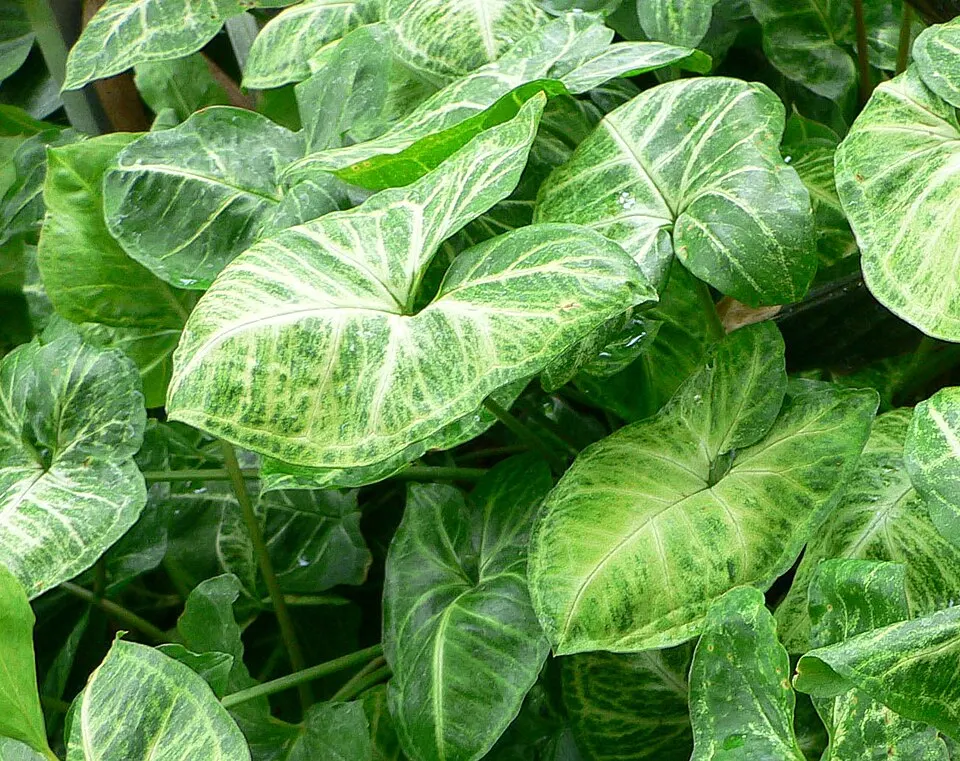
Photo: CC BY-SA 3.0 (via Wikimedia Commons)
Malaysian Ginger
Zingiber malaysianum
Also known as Midnight Ginger, Black Malaysian Ginger, Tropical Foliage Ginger
Key benefits
✦Traditional uses
✦Zingiber malaysianum is a native of the rainforest floor in Peninsular Malaysia, where it grows quietly in the deep shade beneath the canopy, its velvety, near-black leaves catching whatever light filters down. Unlike its famous cousin true ginger, this species has no well-documented history as a kitchen or medicine cabinet herb. It has traditionally been valued more for its striking beauty than for any remedy, and today it is grown almost entirely as an ornamental foliage plant, prized by collectors for the deep chocolate-purple leaves striped with a vivid pink or magenta midrib. Because solid ethnobotanical records for this particular species are thin, we treat it here as a garden and houseplant treasure rather than a proven traditional remedy.
How to grow & use it
✦The full apothecary for Malaysian Ginger
Traditional remedies and step-by-step preparations, a complete growing guide, and how to harvest, dry, and store it, all unlocked with HerbLens Unlimited.
- ✦Remedies & preparations
- ✦ Growing guide
- ✦Harvest & storage
From under $6 a month. Free plant identifications always included.
- ✦Calathea
- ✦Alocasia
- ✦Other shade-loving tropical foliage plants for a rainforest-style display
- ✦Zingiber officinale (true ginger), for anyone seeking the well-documented culinary and traditional rhizome uses
- ✦Other ornamental gingers such as Alpinia or Costus species for similar bold tropical leaf texture
“Choose this one when you want a shaded corner to feel like a quiet, secret patch of rainforest floor.”
The leaves of Zingiber malaysianum can look almost black in low light, but tilt them toward a window and they reveal a deep chocolate-purple with a single bright pink or magenta stripe running down the center, a feature that has made it a sought-after collector's plant far beyond its native Malaysian rainforest.
Malaysian ginger is grown as an ornamental, and unlike true ginger, its leaves and rhizome have no established history of safe eating or medicinal use, so do not consume it.