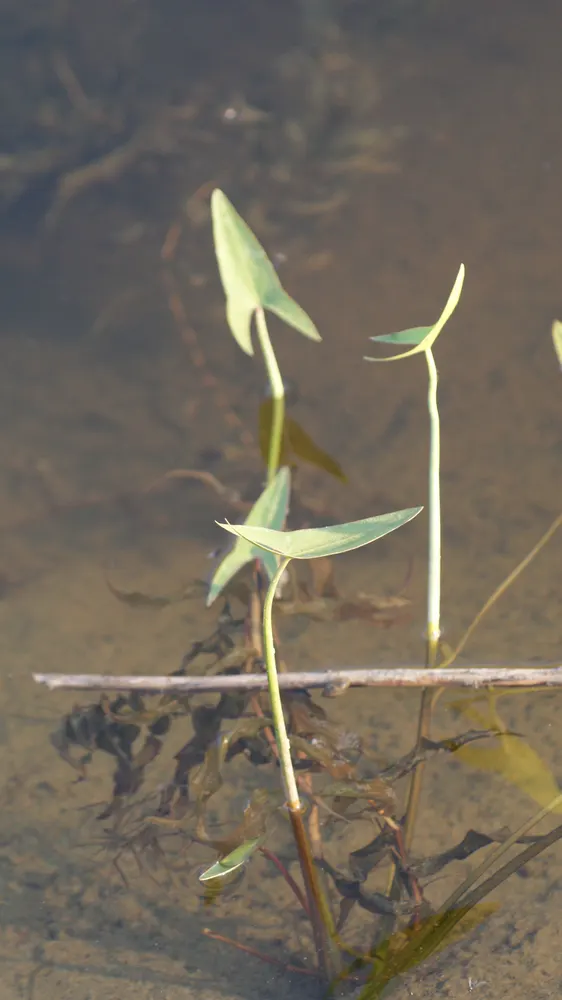
Photo: SriMesh, CC BY-SA 3.0 (via Wikimedia Commons)
Arumleaf Arrowhead (Duck Potato / Wapato)
Sagittaria cuneata
Also known as Duck Potato, Wapato, Northern Wapato, Arum-leaved Arrowhead, Swamp Potato
Key benefits
✦Traditional uses
✦Long before it had a Latin name, this modest pond plant fed people across the continent. Native nations from the Great Lakes to the Pacific Northwest, including Ojibwe, Cree, and Chinookan peoples, waded into cold marsh mud each autumn to dislodge the starchy tubers with their feet, letting them bob free to be gathered by canoe. Boiled or roasted, wapato was eaten much like a potato and was important enough to be traded, stored for winter, and noted with real appreciation by early explorers who depended on it when other food ran short. It has never been widely used as a medicine, but as a trusted, filling wild food it earned a lasting place at the table.
How to grow & use it
✦The full apothecary for Arumleaf Arrowhead (Duck Potato / Wapato)
Traditional remedies and step-by-step preparations, a complete growing guide, and how to harvest, dry, and store it, all unlocked with HerbLens Unlimited.
- ✦Remedies & preparations
- ✦ Growing guide
- ✦Harvest & storage
From under $6 a month. Free plant identifications always included.
- ✦Wild Rice
- ✦Cattail Shoots
- ✦Camas
- ✦Jicama
- ✦Sagittaria latifolia (broadleaf arrowhead)
Arumleaf arrowhead is such a favorite of waterfowl that hunters nicknamed it duck potato long before botanists settled on Sagittaria cuneata; muskrats, beavers, and diving ducks dig for the very same tubers people once relied on. The plant is also a quiet shape-shifter, growing broad arrowhead leaves in the air but thin, ribbon-like leaves underwater, a trick called heterophylly that helps it cope with changing water depths.
Cook the tubers before eating; raw, they are acrid and unpleasant. This plant can grow alongside truly deadly look-alikes like water hemlock, so be certain of identification before digging.