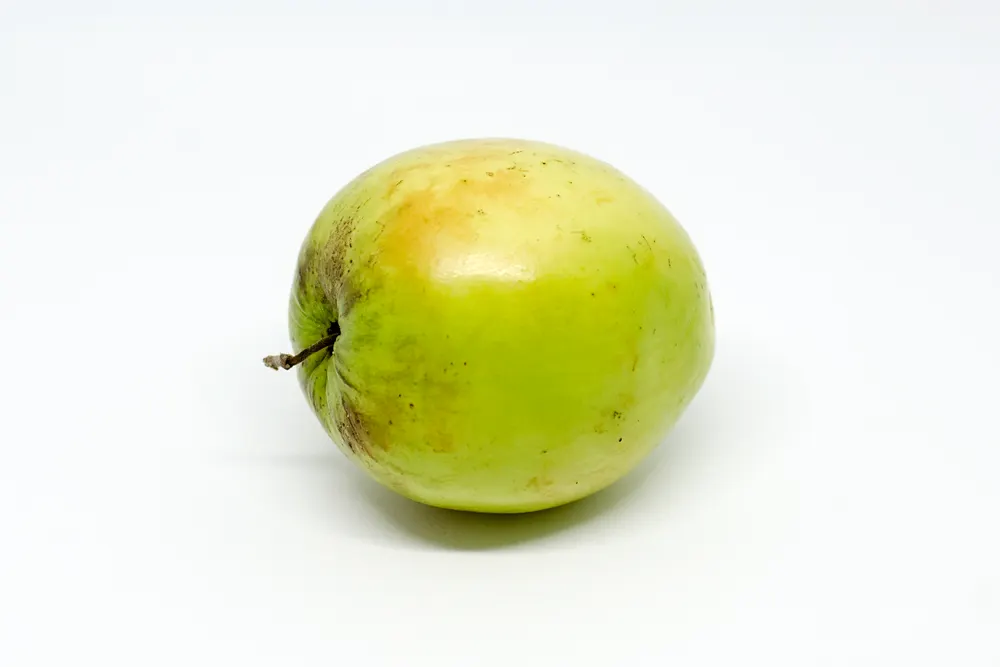
Photo: Augustus Binu : flickr, CC BY-SA 3.0 (via Wikimedia Commons)
Indian Jujube
Ziziphus mauritiana
Also known as Ber, Indian Plum, Chinese Apple, Masau, Badari
Key benefits
✦Traditional uses
✦Long before it traveled with traders across Asia and into Africa, the Indian jujube grew wild along dusty roadsides and village edges, its thorny branches heavy with small, tart-sweet fruit that fed both people and livestock through lean seasons. In Ayurvedic medicine it is known as Badari, and its leaves, bark, and fruit have traditionally been used to soothe the digestion, calm restlessness, and support healthy skin and wound healing. Village healers across India and East Africa have long steeped the leaves for stomach complaints and applied crushed leaf paste to cuts and skin irritations, while the ripe fruit was, and still is, eaten simply as a nourishing seasonal treat, often with a pinch of salt and chili. It is considered one of the oldest cultivated fruit trees in South Asia, with mentions reaching back into ancient Sanskrit texts.
How to grow & use it
✦The full apothecary for Indian Jujube
Traditional remedies and step-by-step preparations, a complete growing guide, and how to harvest, dry, and store it, all unlocked with HerbLens Unlimited.
- ✦Remedies & preparations
- ✦ Growing guide
- ✦Harvest & storage
From under $6 a month. Free plant identifications always included.
- ✦Ginger
- ✦Tulsi (holy basil)
- ✦Cinnamon
- ✦Ziziphus jujuba (Chinese jujube)
- ✦Dried dates
“For a taste of an old dusty orchard, and gentle traditional comfort for a restless stomach or a restless evening.”
The Indian jujube is thought to be one of the earliest fruit trees ever domesticated on the Indian subcontinent, with references to it appearing in Sanskrit writings thousands of years old, long before the tree spread west into Africa and east into Southeast Asia along old trade routes.
Indian jujube fruit is safe to eat as food. Take care when harvesting, since the branches carry sharp thorns, and stronger leaf or seed preparations may add to the effect of sedatives.