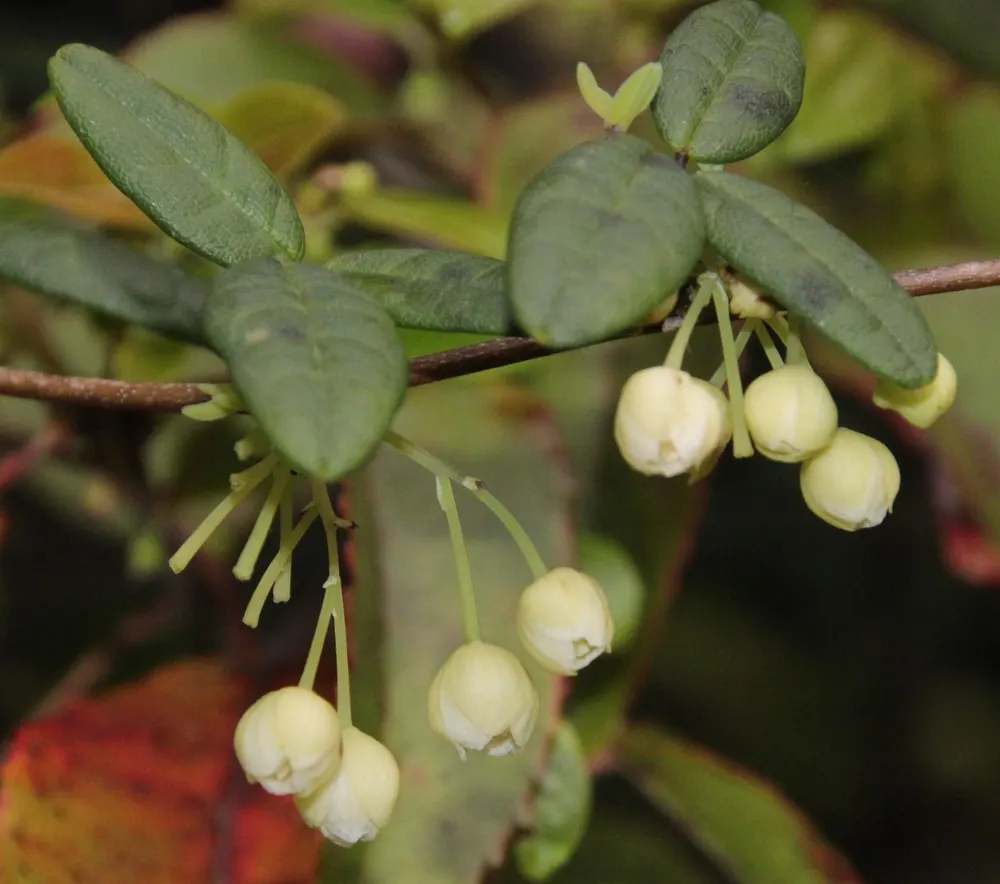
Photo: Tony Rebelo, CC BY-SA 4.0 (via Wikimedia Commons)
Mimic Vine
Boquila trifoliolata
Also known as Boquila, Chameleon Vine, Vid Camaleón, Shape-Shifter Vine
Key benefits
✦Traditional uses
✦Boquila trifoliolata does not carry a history in traditional herbal medicine or the kitchen the way many entries in this atlas do. Its story belongs to botany, not to the still room. For generations it climbed quietly through the shadowed ravines of Chile's temperate rainforest, known to local people simply as boquila, a modest thread in the forest's green tapestry. It took scientists until the early 2010s to notice, and confirm, the astonishing thing this vine had been doing all along: reshaping its own leaves, in size, color, shape, and even vein pattern, to resemble whatever tree or shrub it happened to be climbing that season. No documented lineage of folk healing or cookery has been built around this plant. Its gift is mimicry, and its true home is the field notebook of a botanist crouched in the underbrush, not an apothecary shelf.
How to grow & use it
✦The full apothecary for Mimic Vine
Traditional remedies and step-by-step preparations, a complete growing guide, and how to harvest, dry, and store it, all unlocked with HerbLens Unlimited.
- ✦Remedies & preparations
- ✦ Growing guide
- ✦Harvest & storage
From under $6 a month. Free plant identifications always included.
In a 2014 study, botanists Ernesto Gianoli and Fernando Carrasco-Urra documented something no other known plant does: a single boquila vine climbing through several different host trees will grow a different leaf shape, size, and color to match each one, sometimes changing again within the same plant as it moves from host to host. How it manages this remarkable trick, whether by sensing airborne chemical cues or some other means, is still being puzzled out by scientists today.
Mimic vine has no established history of use as food or medicine, so its berries and foliage should not be eaten.