Photo: Agnieszka Kwiecień, Nova, CC BY 3.0 (via Wikimedia Commons)
American Lily of the Valley
Convallaria montana
Also known as Appalachian Lily of the Valley, Mountain Lily of the Valley, American Convallaria
Key benefits
✦Traditional uses
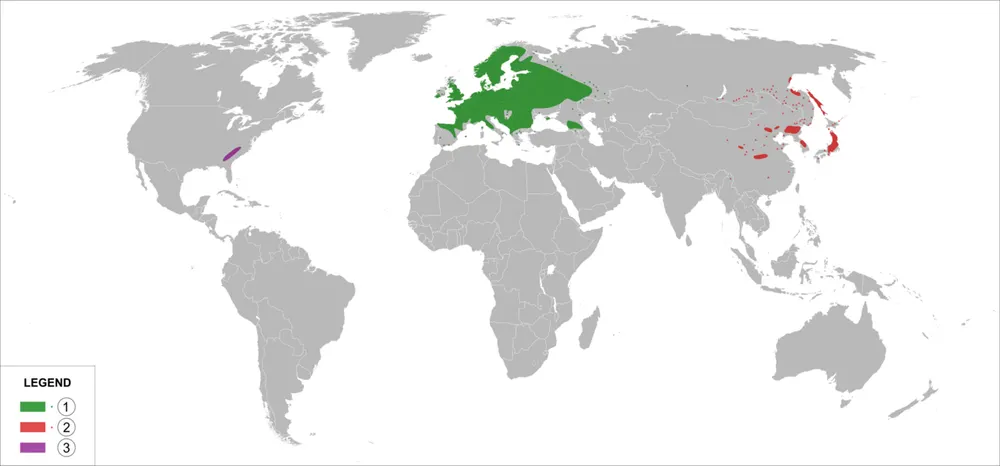
✦Convallaria montana grows quietly in the cove forests of the Appalachian Mountains, its arching sprays of ivory bells filling the spring woods with one of the most recognizable fragrances in the plant world. In the nineteenth century, American physicians and folk healers experimented with lily of the valley as a heart tonic, much as European doctors used its close relative Convallaria majalis, before the medical world came to understand how perilously thin the line was between a dose that helped the heart and one that stopped it. That history is remembered today mostly as a caution rather than a practice, and the plant has settled comfortably into its role as a beloved ornamental rather than a remedy. Appalachian gardeners have long valued it simply for the scent it carries into a shaded spring garden, a small inheritance from mountain homesteads where it was planted along porches and pathways.
How to grow & use it
✦The full apothecary for American Lily of the Valley
Traditional remedies and step-by-step preparations, a complete growing guide, and how to harvest, dry, and store it, all unlocked with HerbLens Unlimited.
- ✦Remedies & preparations
- ✦ Growing guide
- ✦Harvest & storage
From under $6 a month. Free plant identifications always included.
- ✦Hosta
- ✦Woodland ferns
- ✦Astilbe
- ✦Sweet woodruff (Galium odoratum), for a similarly fragrant and safer shade groundcover
- ✦Solomon's seal (Polygonatum biflorum), for a comparable arching woodland silhouette
“For the shaded, quiet corner of the garden where little else will bloom, and fragrance matters more than any harvest.”
A glass of water holding cut lily of the valley stems absorbs enough of the plant's toxins that it becomes unsafe for a child, pet, or curious houseguest to drink, even though the flowers themselves look and smell utterly innocent.
Every part of Convallaria montana is toxic if eaten, including the leaves, flowers, and the bright red berries that follow bloom, and even the water from a vase of its cut stems can carry enough toxin to sicken a child or pet. The plant contains cardiac glycosides, similar in action to those found in foxglove, which can cause nausea, vomiting, abdominal pain, dangerously irregular heart rhythms, and in serious cases can be fatal. Skin contact with the sap can also cause irritation in sensitive individuals. This plant is not used as a home remedy today, no dose of it is considered safe for self-treatment, and it should never be steeped, brewed, or otherwise ingested in any form or amount. If ingestion by a person or animal is suspected, contact Poison Control or a veterinarian immediately rather than attempting home treatment. Because of its history and its danger, any questions about this plant's toxicity or its historical medical use are best directed to a qualified physician, toxicologist, or poison control professional.