Photo: Jonas Roux, CC BY 2.0 (via Wikimedia Commons)
Saba Fruit
Saba senegalensis
Also known as Madd, Saba, Matoumba
Key benefits
✦Traditional uses
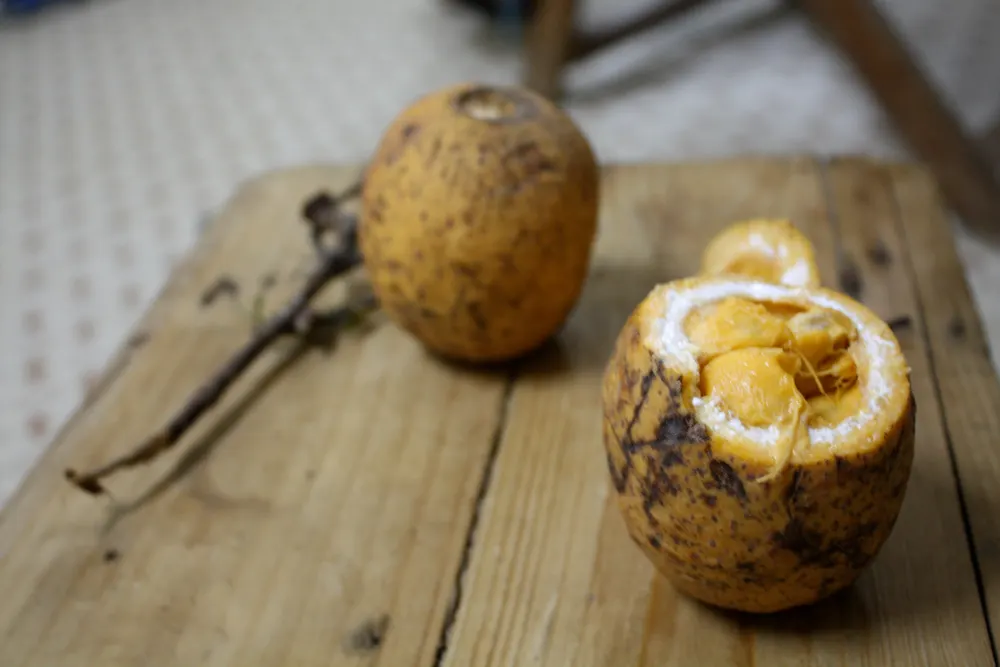
✦Long before it had a botanical name, this thick-stemmed forest vine was already a fixture of West African life, its tart orange pulp cracked open and shared under baobab and mahogany trees from Senegal to Guinea-Bissau. Known locally as madd, the fruit became one of the most cherished wild foods of the Sahel, sold in twisted plastic pouches on roadsides and blended into the beloved street drink jus de madd. Beyond the fruit itself, healers in the region have traditionally turned to the leaves and roots for stomach complaints and minor wounds, folk knowledge passed down long before any laboratory took an interest in the plant.
How to grow & use it
✦The full apothecary for Saba Fruit
Traditional remedies and step-by-step preparations, a complete growing guide, and how to harvest, dry, and store it, all unlocked with HerbLens Unlimited.
- ✦Remedies & preparations
- ✦ Growing guide
- ✦Harvest & storage
From under $6 a month. Free plant identifications always included.
- ✦Hibiscus (bissap)
- ✦Baobab fruit
- ✦Ginger
- ✦Tamarind pulp
- ✦Passion fruit
“For the tart, sun-warmed taste of a West African forest, straight from the vine to your hands.”
In Senegal, madd season is treated almost like a festival: vendors sell the tart pulp in small hand-tied plastic sachets, and it is often blended with hibiscus bissap to balance its sharp tang with floral sweetness.
The ripe pulp is a beloved, safe market fruit, but the vine's milky latex from its stems and unripe fruit can irritate skin, eyes, or mouth, so unripe fruit and latex are best avoided.