HerbLensGo Plus
← Plant library
Plant photo

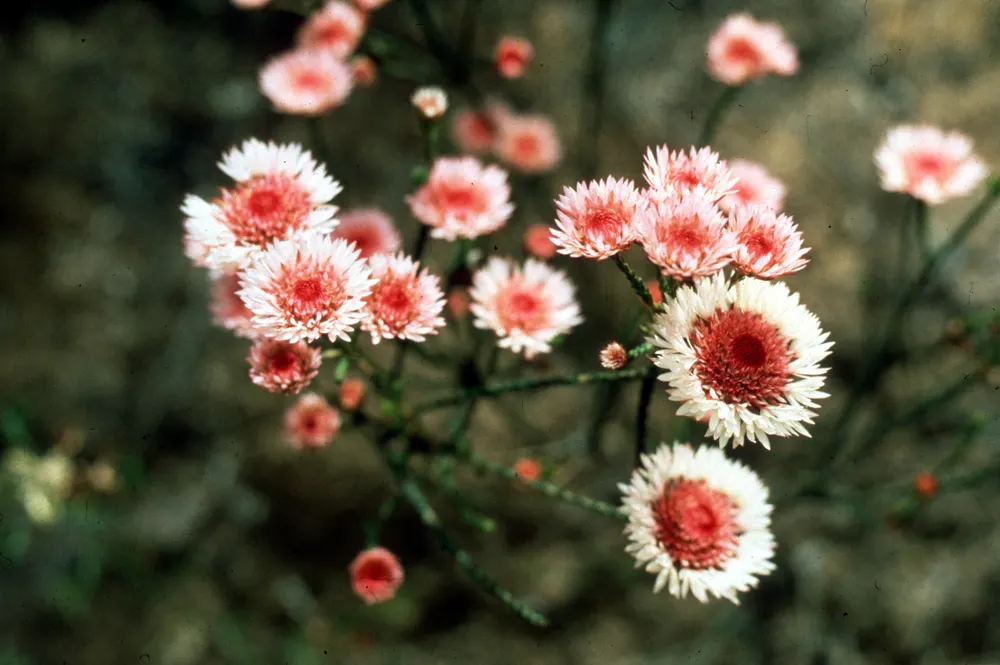
Photo: division, CSIRO, CC BY 3.0 (via Wikimedia Commons)

✦ Free preview: full page unlocked

Albany Daisy

Actinodium cunninghamii

Also known as Albany Daisy Bush, Cunningham's Actinodium, Swamp Daisy

At a glance
Family
Myrtaceae
Type
Woody flowering shrub
Parts used
Flowering stems (ornamental and cut-flower use only)
Size
A small, twiggy shrub, generally 0.5 to 1.5 meters tall and about as wide
Bloom
Late winter through spring, roughly August to November in its native Western Australia
Habitat
Seasonally damp sandplains, heath, and swampy flats in the far southwest corner of Western Australia, especially around Albany, the Stirling Range, and the Fitzgerald River area
Acquisition
Grow or buy
This plant in HerbSense

Key benefits

Showy daisy-like blooms
Draws native bees and insects
Thrives in damp, boggy ground
Excellent long-lasting cut flower

Traditional uses

Actinodium cunninghamii carries no documented history as a medicinal or culinary herb, and none should be assumed or invented for it. Its real story is a botanical one: it belongs to the myrtle family, yet it evolved a flower head so convincingly daisy-shaped that early botanists and collectors were charmed and puzzled in equal measure. It was named for the Scottish botanist Allan Cunningham, who explored and collected extensively along the Australian coast in the early nineteenth century. In more recent generations, growers in Western Australia's wildflower districts have prized it not for the medicine chest but for the vase, cutting its papery, everlasting-style blooms for florists and gardens that want a touch of the southwest bush.

Growing guide

Sun
Full sun to very light, dappled shade; flowering is best and stems stay compact in open, bright sites.
Soil
Sandy, acidic, low-phosphorus soil that holds moisture, mimicking the seasonally wet sandplains it comes from. Good drainage in summer paired with reliable moisture in the cooler months suits it best.
Water
Likes consistent moisture and tolerates periods of waterlogged, boggy ground far better than most shrubs. Established plants cope with dry spells, but they sulk if left bone dry for long.
Planting
Set out tube stock in the cooler part of the year so roots can settle before summer heat arrives. It suits a Mediterranean-style climate with wet winters and dry summers, and does well massed at the front of a native or wildflower bed where its low, twiggy habit and pale blooms can be appreciated up close.

Fresh to dried

Harvest
Cut flowering stems once the daisy-like heads are fully open but still fresh and firm, choosing morning hours when stems are well hydrated.
Drying
Bundle a few stems together and hang them upside down in a dark, airy spot; the papery bracts hold their shape and color well, in the same way many other Western Australian everlasting flowers do.
Storage
Keep dried stems in a cool, dry, dark place, away from humidity and direct light, to preserve their color for arrangements.
Best forms
Fresh as a cut flower, or air-dried for long-lasting floral arrangements; there is no established food, tea, or extract form.
Pairs well with
  • Kangaroo paw (Anigozanthos)
  • Banksia
  • Featherflower (Verticordia)
Substitutes
  • Strawflower (Xerochrysum)
  • Paper daisy (Rhodanthe)
Choose it when

For the gardener who wants a piece of Western Australia's wild southwest, blooming like a daisy but rooted, quite literally, in myrtle.

Did you know?

Despite its name and daisy-like look, Actinodium cunninghamii is not a daisy at all. True daisies belong to the Asteraceae family, but this plant is a myrtle, and what looks like a single flower is actually a tight cluster of tiny true flowers ringed by colorful petal-like bracts, a striking case of two unrelated plant families arriving at the same charming disguise.

Safety

Albany Daisy has no established history of being eaten or used medicinally, so it isn't taken internally.