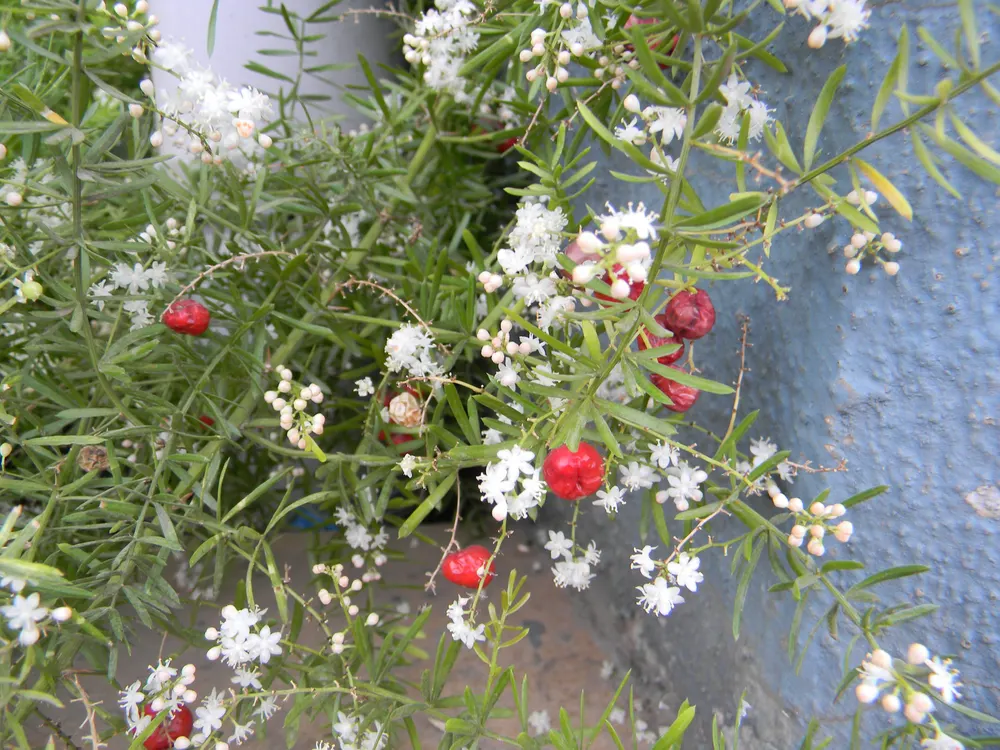
Photo: Neha.Vindhya, CC BY-SA 3.0 (via Wikimedia Commons)
Shatavari
Asparagus racemosus
Also known as Shatavari, Wild Asparagus, Indian Asparagus, Satavar, Hundred Roots
Key benefits
✦Traditional uses
✦For centuries, shatavari has held a place as one of Ayurveda's most cherished rejuvenating roots, prized above all as a tonic for women through every stage of life, from cycles to childbearing to the changes of later years. Traditional Ayurvedic texts classify it as a rasayana, a substance believed to restore vitality and balance to the whole body, and it was often cooked into ghee, milk, or honey to make it easier to take daily. Nursing mothers across generations turned to shatavari to traditionally support a healthy milk supply, while others used the root as a soothing tonic for the stomach and a general restorative during recovery from illness. Its very name, born of Sanskrit, speaks to the enduring, almost mythic esteem in which this humble climbing plant has been held.
How to grow & use it
✦The full apothecary for Shatavari
Traditional remedies and step-by-step preparations, a complete growing guide, and how to harvest, dry, and store it, all unlocked with HerbLens Unlimited.
- ✦Remedies & preparations
- ✦ Growing guide
- ✦Harvest & storage
From under $6 a month. Free plant identifications always included.
- ✦Ashwagandha
- ✦Fennel
- ✦Ginger
- ✦Ashwagandha
- ✦Dong Quai
“When you need gentle, steadying nourishment through life's changing seasons.”
The name shatavari is often translated from Sanskrit as she who possesses a hundred roots, and by some readings, she who could please a hundred husbands, a poetic nod to the plant's long-standing reputation as a source of feminine vitality and endurance.
Shatavari is safe in normal traditional amounts, but its mild hormone-like activity means it should be avoided during pregnancy and by anyone with a hormone-sensitive condition. As a relative of asparagus, onion, garlic, and leeks, it can trigger reactions in those sensitive to these foods, and it may interact with diuretic medications.