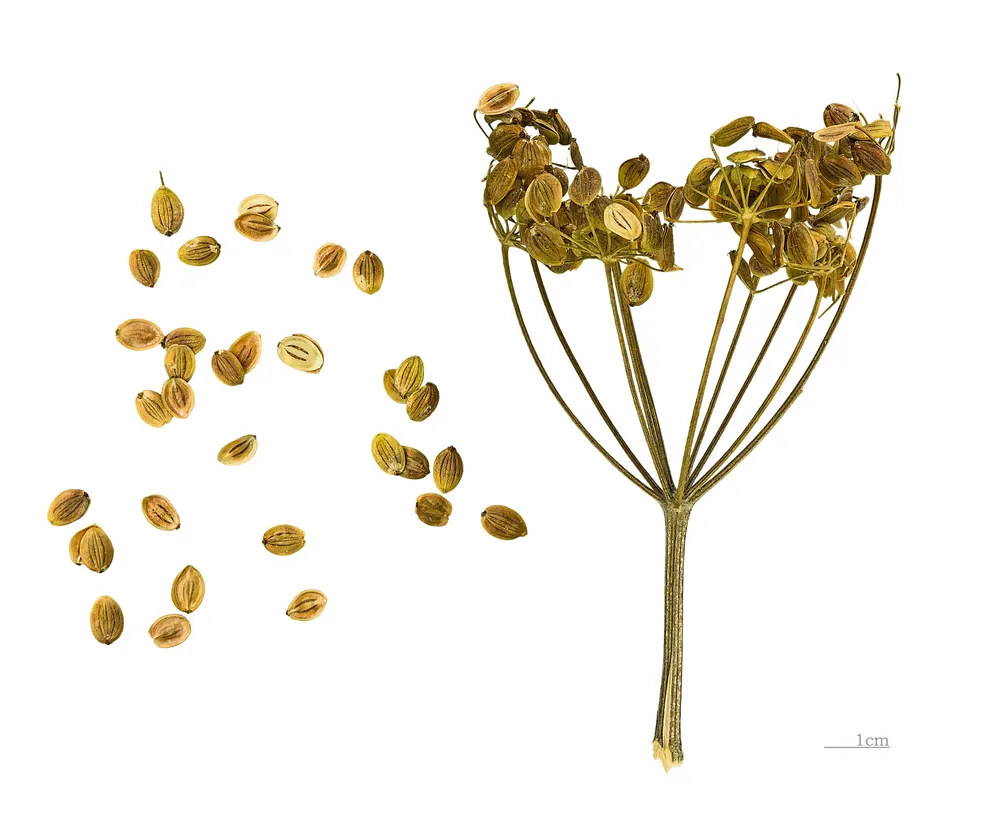
Photo: Didier Descouens, CC BY-SA 4.0 (via Wikimedia Commons)
Parsnip
Pastinaca sativa
Also known as Wild Parsnip, Madnep
Key benefits
✦Traditional uses
✦Parsnip has been cultivated since Roman times, when it was prized as a sweet, starchy root long before the potato ever reached European kitchens. Cooks and healers alike relied on it through the cold months, since a hard frost converts its stored starches to sugar and leaves the root tasting noticeably sweeter after digging. Old European household and herbal traditions also turned to parsnip root as a gentle diuretic and digestive tonic, simmered into broths for those recovering from illness or needing something easy and grounding to eat. It has long been considered a humble but faithful root, the kind that fed families through winters when little else could be pulled from the ground.
How to grow & use it
✦The full apothecary for Parsnip
Traditional remedies and step-by-step preparations, a complete growing guide, and how to harvest, dry, and store it, all unlocked with HerbLens Unlimited.
- ✦Remedies & preparations
- ✦ Growing guide
- ✦Harvest & storage
From under $6 a month. Free plant identifications always included.
- ✦Fennel
- ✦Dandelion Root
- ✦Chamomile
- ✦Carrot
- ✦Parsley Root
“When the ground goes cold and you want a root that only grows sweeter for the wait.”
Before the potato arrived in Europe from the Americas, parsnip was one of the continent's primary starchy staple vegetables, and it was still common practice to leave the roots in the ground all winter, since freezing weather sweetens them by turning stored starch into sugar.
Parsnip root is a common, safe food, but the leaves, stems, and sap, especially from wild plants, can cause a burning, blistering skin reaction in sunlight, so wear gloves when handling the tops. Wild parsnip can also resemble deadly poison hemlock and water hemlock, so be certain of identification before foraging it.