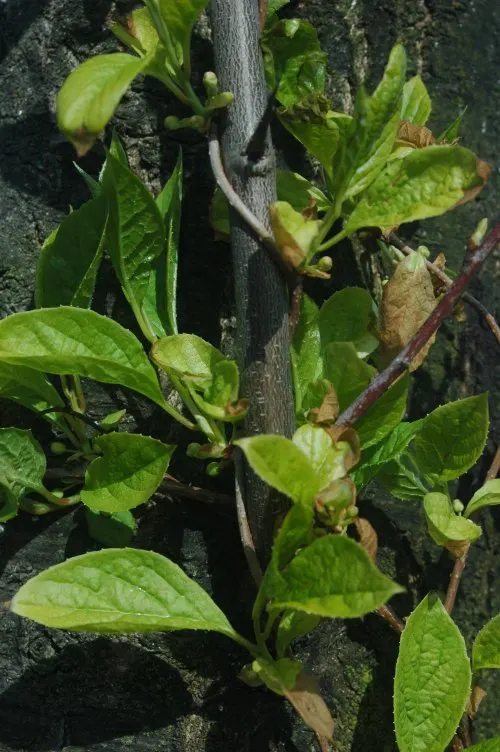
Photo: Doronenko, CC BY 2.5 (via Wikimedia Commons)
Schisandra
Schisandra chinensis
Also known as Five-Flavor Berry, Magnolia Vine, Wu Wei Zi, Omija
Key benefits
✦Traditional uses
✦Schisandra has been called wu wei zi, the five-flavor fruit, in Chinese herbalism for well over a thousand years, because a single berry seems to hold sweet, sour, bitter, salty, and pungent notes all at once, a rare completeness that herbalists took as a sign of its balancing power. It was traditionally reached for by those needing steady endurance, whether laborers, scholars facing long study, or travelers on hard journeys, and it holds a respected place among the classic tonic herbs of East Asian medicine. In Korea, the dried berries are steeped into omija-cha, a ruby tea sipped for vitality and served at celebrations. Across these traditions it was valued as a gentle ally for the liver, the lungs, and for calming an overtaxed nervous system.
How to grow & use it
✦The full apothecary for Schisandra
Traditional remedies and step-by-step preparations, a complete growing guide, and how to harvest, dry, and store it, all unlocked with HerbLens Unlimited.
- ✦Remedies & preparations
- ✦ Growing guide
- ✦Harvest & storage
From under $6 a month. Free plant identifications always included.
- ✦Astragalus
- ✦Goji Berry
- ✦Ginseng
- ✦Rhodiola
- ✦Ashwagandha
“For the days you need to gather yourself and keep a steady hand.”
The name wu wei zi translates to "five flavor fruit," because traditional herbalists insisted the berry carries all five fundamental tastes at once, sweet, sour, bitter, salty, and pungent, a rare completeness said to reflect its reputation for bringing the whole body back into balance.
Schisandra berries are traditionally avoided in pregnancy and while breastfeeding, as they were thought to stimulate contractions. They may also interact with liver-processed medications, including certain blood thinners, sedatives, and immunosuppressants.