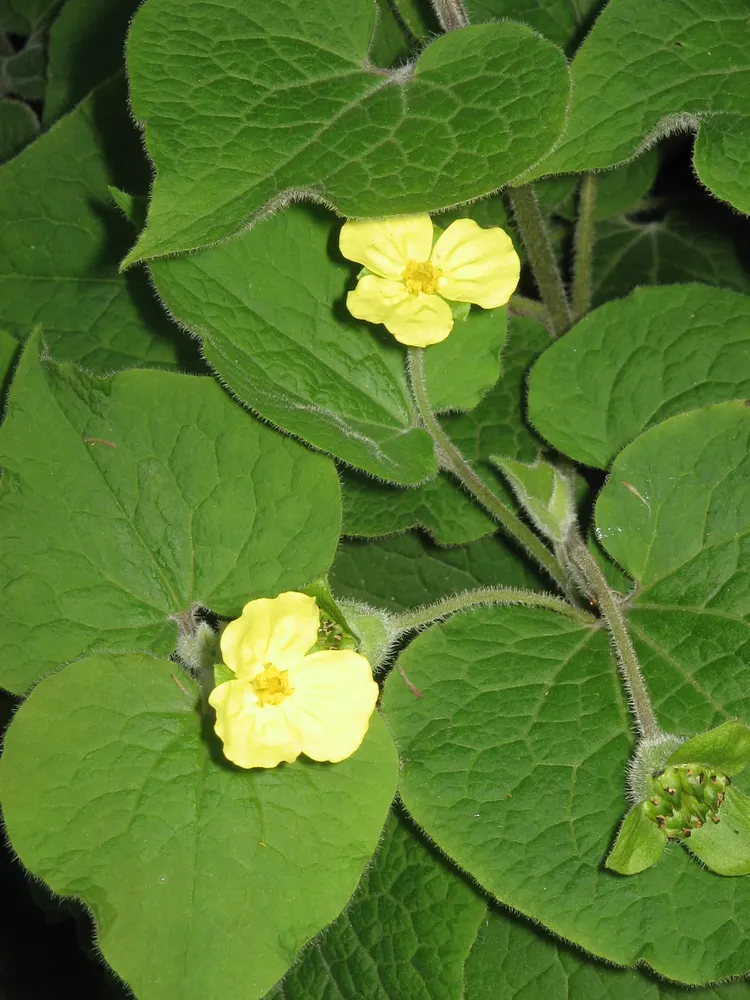
Photo: Meneerke bloem, CC BY-SA 3.0 (via Wikimedia Commons)
Upright Wild Ginger
Saruma henryi
Also known as Henry's Saruma, Saruma, Upright Wild Ginger
Key benefits
✦Traditional uses
✦Saruma henryi carries its story in its name as much as its history. It was collected in the mountains of central China and named for the Irish plant hunter Augustine Henry, who spent decades cataloguing the extraordinary flora of that region in the late 1800s. Unlike its famous cousin wild ginger, Saruma has never held a place in traditional medicine or the kitchen. Its real legacy has been with botanists and woodland gardeners, who prize it as one of the few members of the birthwort family grown simply for the pleasure of its heart-shaped leaves and cheerful, long-lasting flowers.
How to grow & use it
✦The full apothecary for Upright Wild Ginger
Traditional remedies and step-by-step preparations, a complete growing guide, and how to harvest, dry, and store it, all unlocked with HerbLens Unlimited.
- ✦Remedies & preparations
- ✦ Growing guide
- ✦Harvest & storage
From under $6 a month. Free plant identifications always included.
- ✦Hostas
- ✦Ferns
- ✦Hellebores
- ✦Asarum (true wild ginger species)
- ✦Epimedium
“For the quiet corner of the garden where nothing else wants to bloom.”
The genus name Saruma is an anagram of Asarum, its closest botanical relative, chosen by the botanist who first classified it to signal just how close a cousin it is to true wild ginger, even though the two look quite different in the garden.
Saruma henryi belongs to the birthwort family, which includes species containing aristolochic acid linked to serious kidney damage; it has no history of culinary or medicinal use and shouldn't be eaten or brewed.