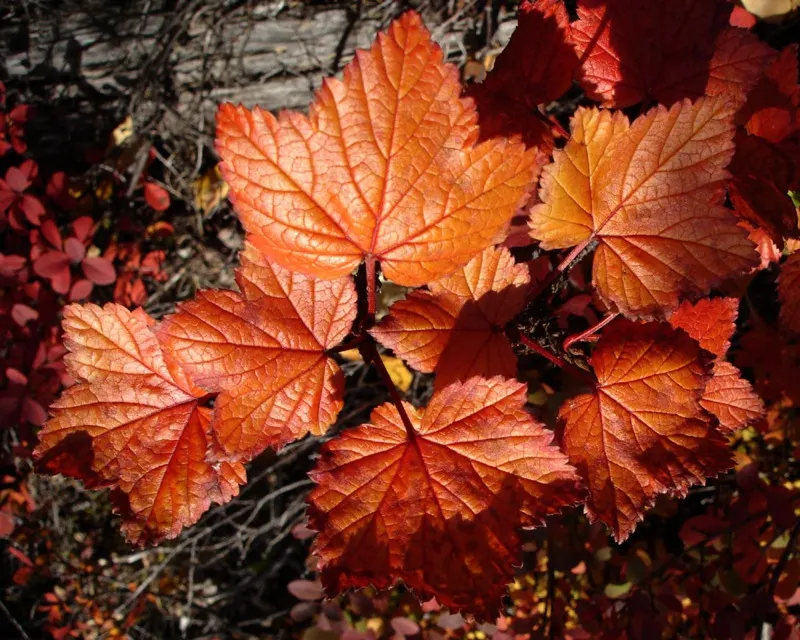
Photo: bottomdollar99730, CC BY 2.0 (via Wikimedia Commons)
Wild Red Currant
Ribes triste
Also known as Swamp Red Currant, American Red Currant, Northern Red Currant, Bristly Currant
Key benefits
✦Traditional uses
✦Long before grocery store berries, Wild Red Currant fed the people of the northern forests. Cree, Dene, Inuit, and other communities across Canada and Alaska gathered the tart, jewel-red clusters each summer, eating them fresh off the bush, drying them into cakes to carry through winter, or folding them into fat and meat as a kind of northern trail food. Its range stretches clear across the boreal world into Siberia, so this same small shrub has quietly nourished northern peoples on two continents for generations. It was valued as much for its reliability, ripening in places where little else grew sweet, as for its bright, sour bite.
How to grow & use it
✦The full apothecary for Wild Red Currant
Traditional remedies and step-by-step preparations, a complete growing guide, and how to harvest, dry, and store it, all unlocked with HerbLens Unlimited.
- ✦Remedies & preparations
- ✦ Growing guide
- ✦Harvest & storage
From under $6 a month. Free plant identifications always included.
- ✦Rosehip
- ✦Elderberry
- ✦Hawthorn berry
- ✦Red currant (Ribes rubrum)
- ✦Lingonberry
“For a taste of the far northern wild, tart, ruby-bright, and honestly earned.”
Wild Red Currant is circumboreal, meaning the very same species grows wild across northern Canada and Alaska and again all the way over in Siberia and northern Russia, a rare botanical thread connecting foragers on two continents.
Wild red currant berries are safe to eat when ripe, though unripe fruit or raw leaves can cause mild stomach upset in sensitive people.