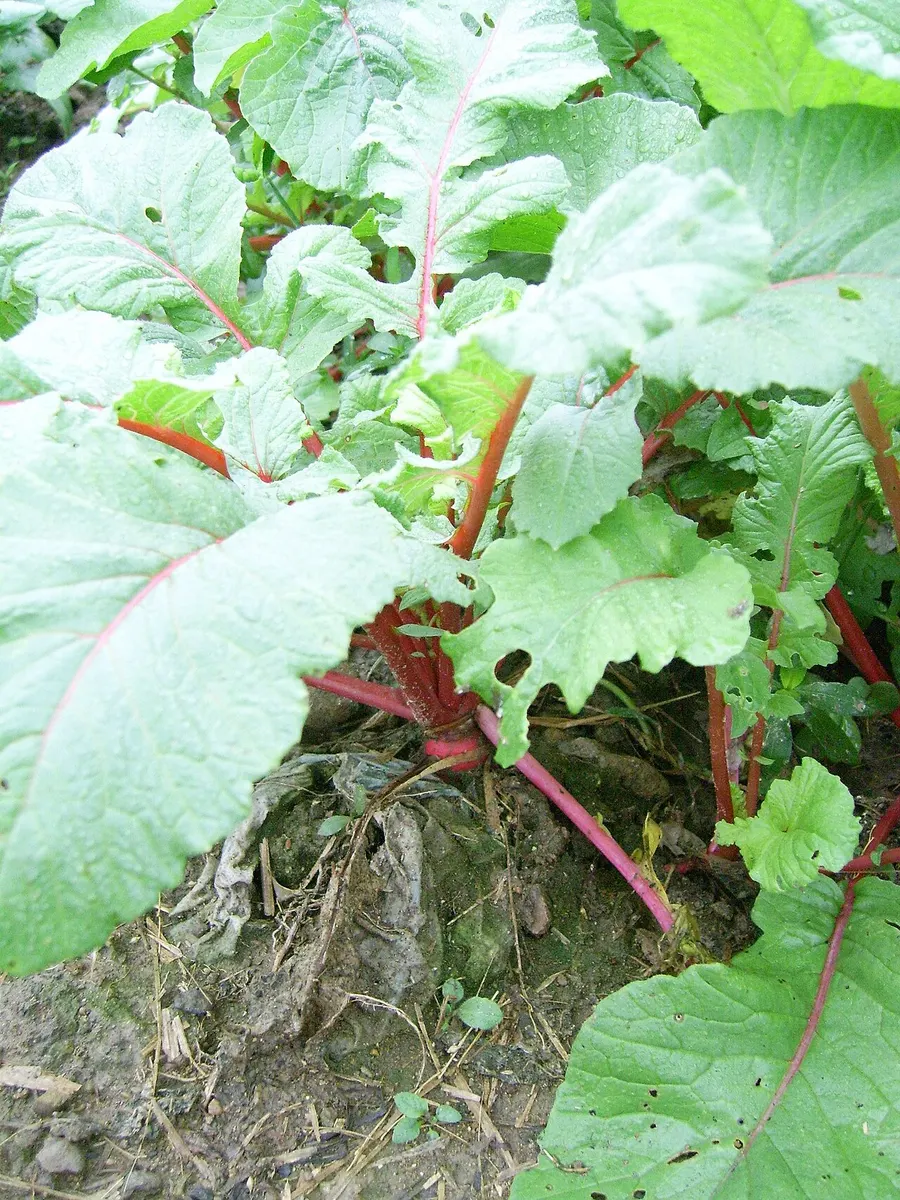
Photo: CC BY-SA 3.0 (via Wikimedia Commons)
Radish
Raphanus sativus
Also known as Common Radish, Garden Radish, Daikon (Asian varieties), Red Radish
Key benefits
✦Traditional uses
✦Radish has traveled alongside people for thousands of years, likely originating in Southeast Asia before spreading through ancient Egypt, Greece, and Rome, where it was valued as both food and folk remedy. Traditional European and Asian herbal practices have long used the root and its juice to traditionally support digestion, ease coughs and congestion, and encourage healthy liver and gallbladder function. In traditional Chinese medicine, the daikon type of radish has been used to help move stagnant food and clear phlegm. Beyond the root, cooks and healers alike have prized the peppery greens, which were once considered too valuable to waste and were simmered into soups and tonics.
How to grow & use it
✦The full apothecary for Radish
Traditional remedies and step-by-step preparations, a complete growing guide, and how to harvest, dry, and store it, all unlocked with HerbLens Unlimited.
- ✦Remedies & preparations
- ✦ Growing guide
- ✦Harvest & storage
From under $6 a month. Free plant identifications always included.
- ✦Fennel
- ✦Ginger
- ✦Dandelion greens
- ✦Daikon
- ✦Horseradish (for a stronger, sharper bite)
“You want a bright, peppery bite that wakes up a plate and a root that has been feeding and healing households since before recorded history.”
Ancient Egyptian records suggest radishes, along with onions and garlic, were rationed out to the laborers who built the pyramids, making the humble radish one of the oldest cultivated vegetables on earth.
Radish is a safe, everyday food. Very large amounts may mildly affect thyroid function, so those with thyroid conditions shouldn't overdo it.