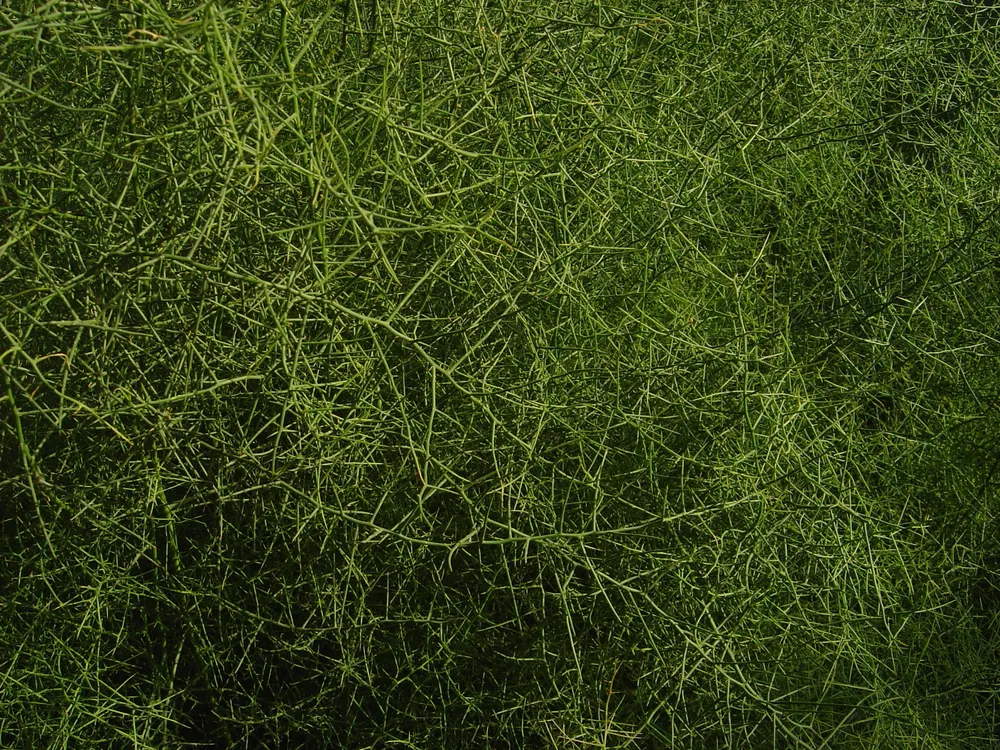
Photo: Florian Siebeck, CC BY-SA 3.0 (via Wikimedia Commons)
Allthorn
Koeberlinia spinosa
Also known as Crucifixion Thorn, Crown of Thorns, Junco, Corona de Cristo
Key benefits
✦Traditional uses
✦Allthorn is one of those desert plants that earned its keep through sheer toughness rather than any reputation as a healing herb. Ranchers along the Texas and Mexican borderlands prized its dense, rigid thicket of green thorny stems as a ready-made living fence, planting or simply preserving stands of it to pen livestock long before barbed wire arrived. Its tiny black berries, ripening in the fall, have been picked and eaten fresh by people traveling through its range, though it was always more a trailside nibble than a staple food. Mostly, though, this plant has been valued as shelter, its thorns offering desert birds like cactus wrens and thrashers a nesting fortress that few predators care to enter.
Growing guide
✦Fresh to dried
✦- ✦Mesquite
- ✦Creosote bush
- ✦Tarbush
- ✦Agarita berries
- ✦Mesquite pods
“For the plant that guards an entire desert thicket with nothing but its own thorns.”
Allthorn is so botanically distinct that it stands alone in its own family, Koeberliniaceae, with no close relatives anywhere in the plant kingdom. It also carries almost no leaves at all, doing its photosynthesizing through its green stems instead, a trick that helps it survive on the barest sliver of desert water.
This plant isn't used as a tea or remedy. Its long, rigid thorns can cause deep puncture wounds, so handle it with heavy gloves, and confirm identification before sampling the berries, since several unrelated desert shrubs share its crucifixion thorn nickname.