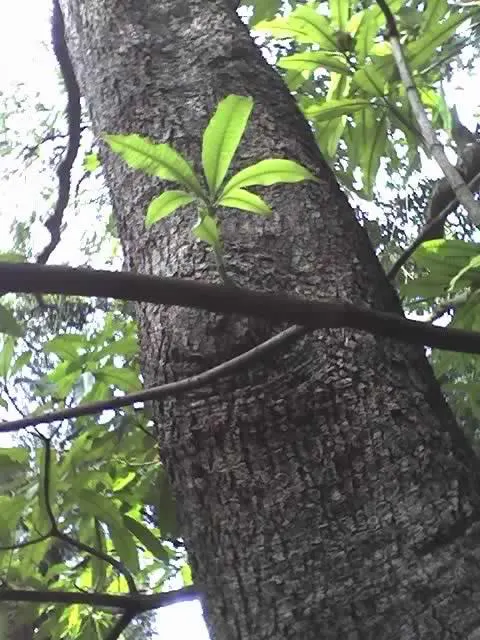
Photo: Purves, M., CC BY-SA 3.0 (via Wikimedia Commons)
Quinine Tree
Rauvolfia caffra
Also known as African Quinine Tree, Quinine Bush, Common Quinine-Tree, Rauvolfia natalensis (older synonym)
Key benefits
✦Traditional uses
✦Across much of tropical and southern Africa, the bitter bark of the quinine tree was steeped into decoctions by traditional healers and used to bring down fevers, ease stomach complaints, and treat malaria long before modern antimalarials existed, which is how it earned its common name even though it is unrelated to true quinine from the cinchona tree. The tree's genus, Rauvolfia, is famous in pharmacology for its potent alkaloids, the same chemical family that gave the world reserpine, one of the earliest drugs used to treat high blood pressure. That very potency is why the bark and root were handled with great caution by those who knew the plant well, measured out carefully rather than brewed casually. Today the tree is better known and loved as a magnificent shade and riverine species than as a home remedy.
How to grow & use it
✦The full apothecary for Quinine Tree
Traditional remedies and step-by-step preparations, a complete growing guide, and how to harvest, dry, and store it, all unlocked with HerbLens Unlimited.
- ✦Remedies & preparations
- ✦ Growing guide
- ✦Harvest & storage
From under $6 a month. Free plant identifications always included.
- ✦Often planted alongside wild fig (Ficus species) and waterberry (Syzygium cordatum) in riverine and shade gardens
- ✦African wormwood (Artemisia afra) has traditionally been used as a gentler fever remedy in African herbal practice
- ✦True cinchona bark is the historical source of actual quinine, for those interested in that plant's story
“For the giant that leans over the riverbank, roots in the water, shade over the path, and more chemistry in its bark than any garden ought to hold.”
Reserpine, one of the first pharmaceutical drugs ever used to treat high blood pressure and psychiatric conditions, comes from a close relative in this same genus, Rauvolfia serpentina. The whole Rauvolfia genus is named after Leonhard Rauwolf, a sixteenth-century German botanist who traveled the Near East collecting plants, and it remains one of botany's richest sources of powerful, medically significant alkaloids.
Rauvolfia caffra is not a plant for home remedies. Its bark, roots, and latex contain potent indole alkaloids, related to reserpine, that can cause dangerously low blood pressure, heavy sedation, severe depression, fainting, and other serious effects if ingested in uncontrolled amounts, and in some regions parts of the plant have historically been used as arrow or fish poison. It should never be self-prescribed, especially during pregnancy or breastfeeding, and it can interact seriously with blood pressure medications, antidepressants, sedatives, and other prescription drugs. Keep it away from children and pets, and treat this tree as a garden and ecological asset rather than a kitchen or medicine cabinet ingredient. Anyone drawn to its traditional medicinal history should speak with a qualified healthcare professional or a trained ethnobotanist rather than experiment on their own.