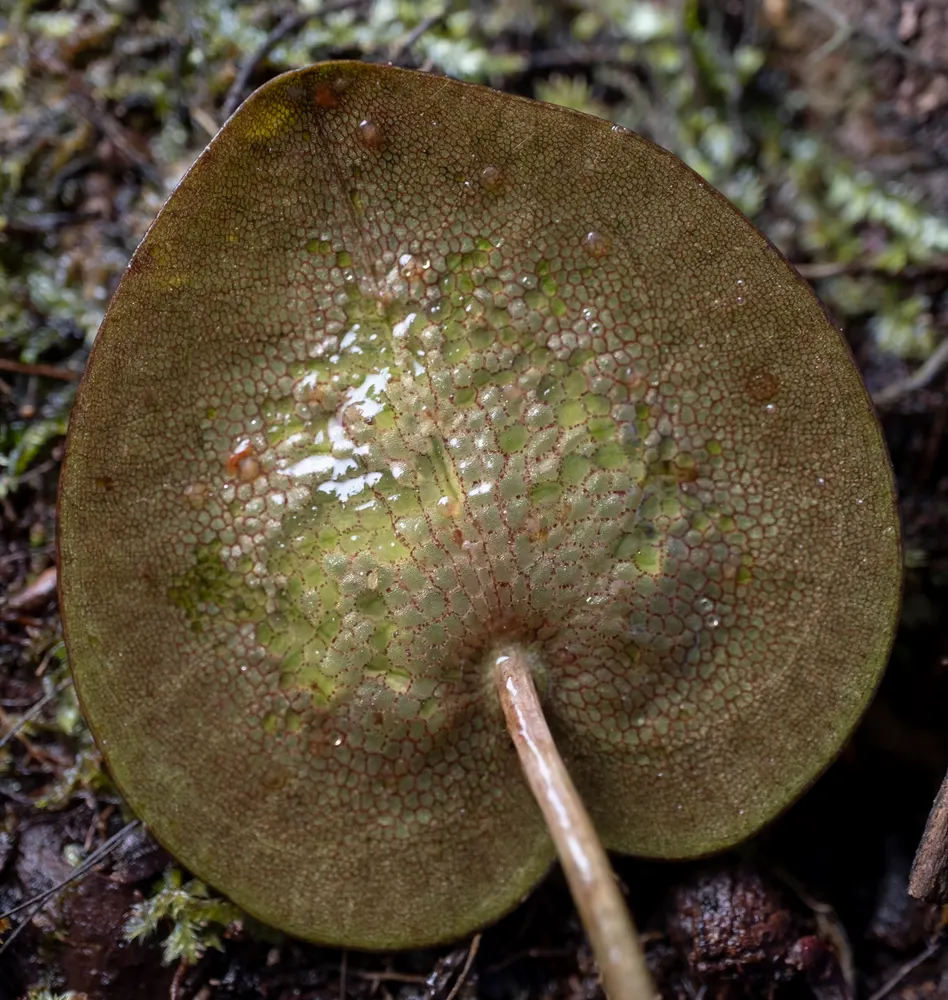
Photo: Alex Abair, CC BY 4.0 (via Wikimedia Commons)
American Frogbit
Limnobium spongia
Also known as American Spongeplant, Frog's-bit, American Frog's-bit
Key benefits
✦Traditional uses
✦American frogbit has never belonged to the medicine chest or the kitchen garden. Its story is quieter than that, tied to still water rather than remedies. Southern wetland communities have long read a healthy stand of frogbit as a sign of clean, undisturbed water, since the plant thrives where a pond or backwater is still and unpolluted. Today it is prized by water gardeners and aquarium keepers for the same work it has always done in the wild, shading the surface, giving small fish and amphibians a place to hide, and drawing extra nutrients out of the water before they can feed algae.
How to grow & use it
✦The full apothecary for American Frogbit
Traditional remedies and step-by-step preparations, a complete growing guide, and how to harvest, dry, and store it, all unlocked with HerbLens Unlimited.
- ✦Remedies & preparations
- ✦ Growing guide
- ✦Harvest & storage
From under $6 a month. Free plant identifications always included.
- ✦Duckweed
- ✦Pickerelweed
- ✦Water lettuce
- ✦Water lettuce (Pistia stratiotes)
- ✦Dwarf water lily
“For the still, shaded corner of a pond that is asking for a little floating green lace.”
The species name spongia comes from the spongy, air-filled tissue packed into the underside of each leaf, a built-in raft that keeps the whole rosette riding high on the water no matter how crowded the pond gets.
American frogbit has no documented history as a medicinal or culinary herb, so no traditional preparations for eating or drinking are given here. It is not known to be toxic, but because it has never been evaluated for internal use, it should not be treated as a food or remedy. As with any aquatic plant, rinse hands well after handling pond or aquarium water before touching your eyes or mouth. Some regions regulate or restrict frogbit species as potentially invasive outside their native range, so check local and state guidelines before introducing it to a new pond or waterway. Speak with a qualified professional, herbalist, or local extension office before using any plant medicinally or adding a new species to your local waters.