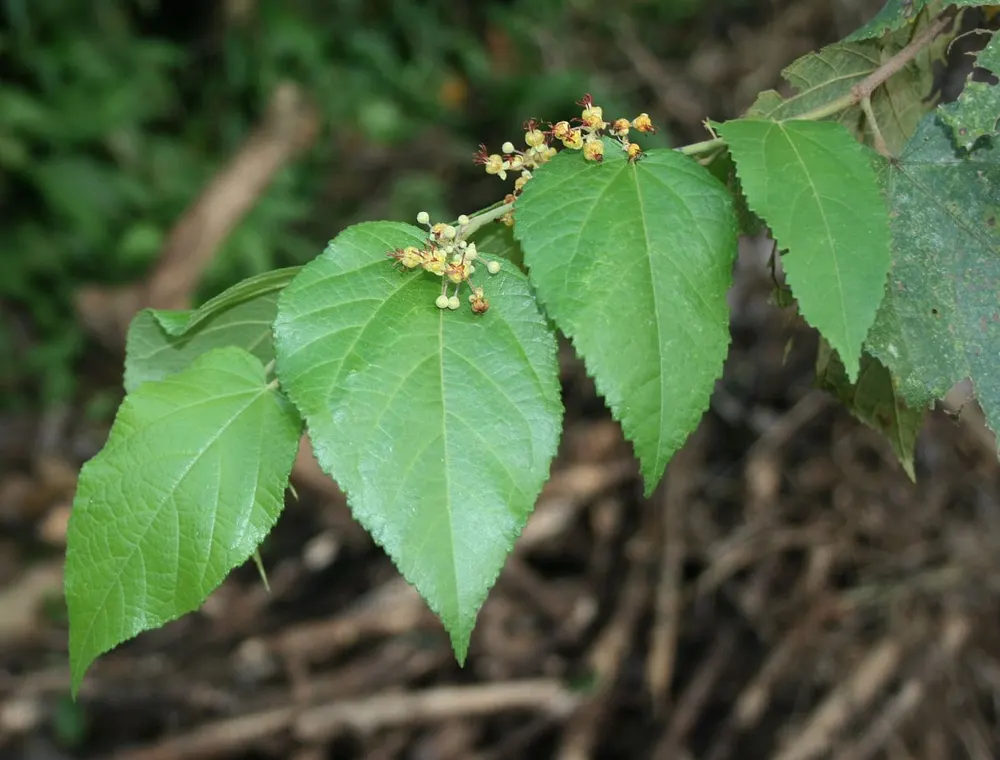
Photo: Franz Xaver, CC BY-SA 3.0 (via Wikimedia Commons)
West Indian Elm
Guazuma ulmifolia
Also known as Guácimo, Bay Cedar, Bastard Cedar, Pixoy, Caulote
Key benefits
✦Traditional uses
✦Long before it had a Latin name, the Maya called this tree pixoy and turned to its bark and leaves for everyday complaints, from upset stomachs to fevers. Across Mexico, Central America, and the Caribbean, the mucilaginous inner bark became a household remedy, simmered into a slippery decoction for digestive troubles and diarrhea. Perhaps its most beloved use, still passed down in kitchens and courtyards today, is as a rinse for the hair. Grandmothers have long sworn by a cooled leaf infusion worked through the scalp to encourage strong, glossy growth and to calm dandruff, a tradition so enduring that guácimo hair tonics are still sold in markets throughout the region.
How to grow & use it
✦The full apothecary for West Indian Elm
Traditional remedies and step-by-step preparations, a complete growing guide, and how to harvest, dry, and store it, all unlocked with HerbLens Unlimited.
- ✦Remedies & preparations
- ✦ Growing guide
- ✦Harvest & storage
From under $6 a month. Free plant identifications always included.
- ✦Hibiscus
- ✦Ginger
- ✦Chamomile
- ✦Slippery elm
- ✦Marshmallow root
“For the roadside tree that has quietly tended stomachs and scalps across the tropics for generations.”
The soft, mucilaginous inner bark of Guazuma ulmifolia lathers slightly when worked with water, which is why it was traditionally used as a gentle soap substitute in rural communities long before store bought shampoo arrived.
West Indian Elm is generally safe in the modest amounts used in traditional teas. Traditional use to bring on menstruation means it should be avoided in pregnancy, and its effects on blood sugar and blood pressure warrant caution if you take diabetes or blood pressure medication.