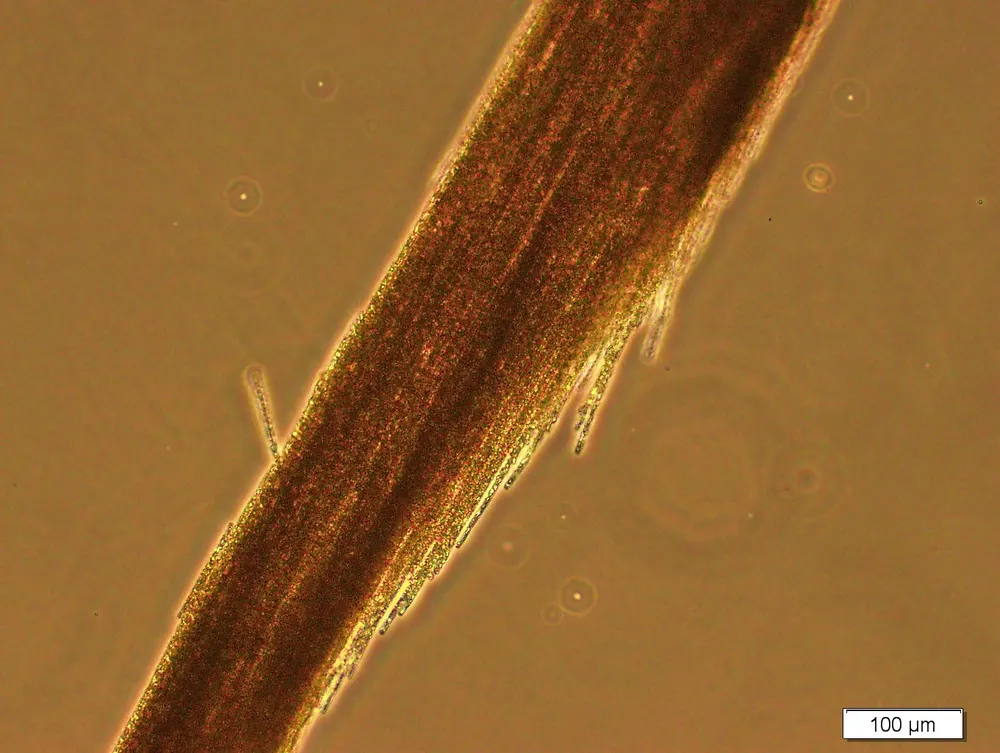
Photo: Apothecia, CC BY-SA 3.0 (via Wikimedia Commons)
Klamath Lake Blue-Green Algae
Aphanizomenon flos-aquae
Also known as AFA, Klamath algae, Blue-green algae
Key benefits
✦Traditional uses
✦Unlike many botanicals with centuries of recorded use, Aphanizomenon flos-aquae entered herbal and supplement circles fairly recently. It was first gathered commercially from Oregon's Upper Klamath Lake in the late 1970s, after local naturalists noticed the lake's dense summer blooms and began drying the algae into a whole-food supplement. It quickly found a place in the natural foods movement, valued as a concentrated source of plant-based protein, chlorophyll, and micronutrients, and it has traditionally been used to support daily energy and general wellness. Today it remains one of the few wild-harvested, rather than farmed, algae supplements sold worldwide.
How to grow & use it
✦The full apothecary for Klamath Lake Blue-Green Algae
Traditional remedies and step-by-step preparations, a complete growing guide, and how to harvest, dry, and store it, all unlocked with HerbLens Unlimited.
- ✦Remedies & preparations
- ✦ Growing guide
- ✦Harvest & storage
From under $6 a month. Free plant identifications always included.
- ✦Spirulina
- ✦Chlorella
- ✦Nettle
- ✦Spirulina
- ✦Chlorella
“For the days you want a taste of the wild lake's green vitality in a single spoonful.”
Upper Klamath Lake in Oregon, fed by mineral-rich volcanic runoff, produces the great majority of the world's commercial Aphanizomenon flos-aquae supply, and harvesters there still gather the blooms much as they did when the trade began in the late 1970s.
Wild blooms of this algae can mix with toxic cyanobacteria and, under some conditions, produce anatoxin-a, a fast-acting neurotoxin, so raw, self-harvested pond scum should never be eaten; choose only commercial products tested for cyanotoxins. It can stimulate immune activity, so it's not recommended for those with autoimmune conditions or on immune-suppressing or blood-thinning medications, and people with phenylketonuria should avoid it due to its natural phenylalanine content.