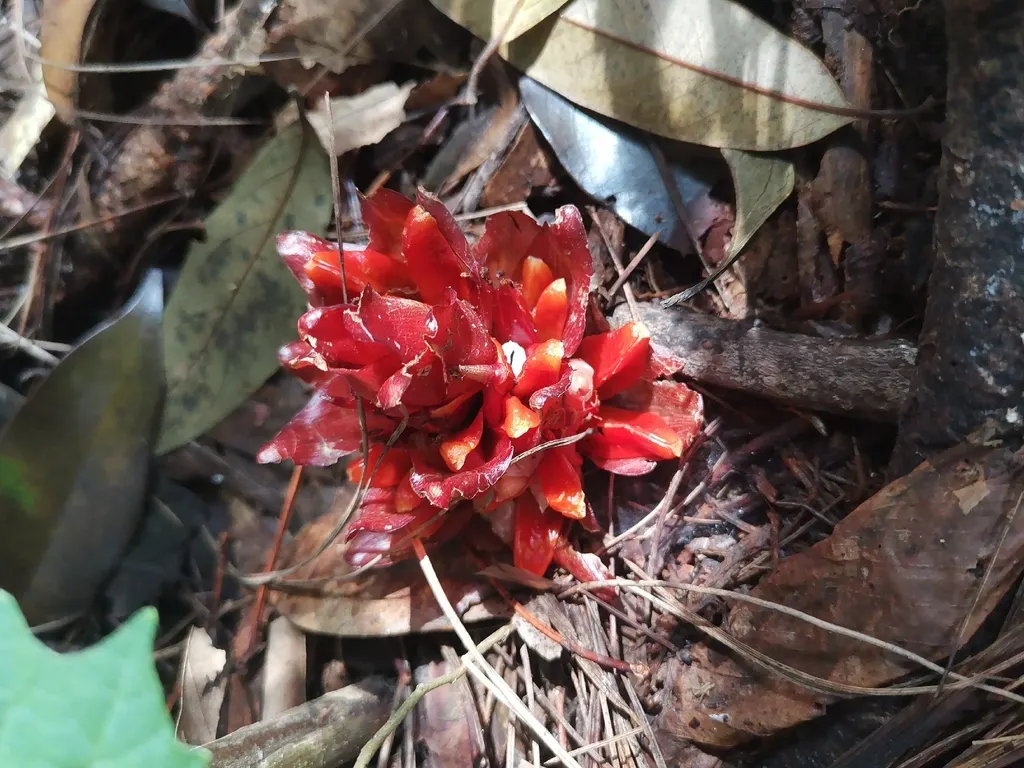
Photo: (c) Cheryl Stinchcomb, CC BY (via iNaturalist)
Golden Ginger
Zingiber chrysanthum
Also known as Golden-flowered Ginger, Himalayan Golden Ginger
Key benefits
✦Traditional uses
✦Zingiber chrysanthum shares its genus with common culinary ginger, a family of plants long woven into the traditional medicine and cooking of South and Southeast Asia. This particular species, though, has stayed largely in the shadow of its famous relatives, growing wild and mostly unbothered in the damp, shaded forests of the eastern Himalaya. Botanists who have collected it over the years describe a plant prized for its striking golden blooms rather than for any settled culinary or medicinal reputation. For now, its story belongs more to the garden and the botanist's field notebook than to the kitchen or the apothecary shelf.
How to grow & use it
✦The full apothecary for Golden Ginger
Traditional remedies and step-by-step preparations, a complete growing guide, and how to harvest, dry, and store it, all unlocked with HerbLens Unlimited.
- ✦Remedies & preparations
- ✦ Growing guide
- ✦Harvest & storage
From under $6 a month. Free plant identifications always included.
- ✦Hedychium (butterfly ginger)
- ✦Hostas
- ✦Woodland ferns
- ✦Zingiber officinale (common culinary ginger)
- ✦Curcuma species (ornamental turmeric)
“For the gardener chasing something rare, something still mostly unwritten.”
The species name chrysanthum comes from the Greek for 'golden flower,' a nod to the bright yellow blooms that caught the eye of the botanist William Roscoe, who formally described the plant in the early 1800s.
Golden ginger has not been studied and has no history of safe culinary or medicinal use, so do not assume it behaves like common ginger. The fresh rhizome and sap may irritate skin, and it should be kept away from children and pets.