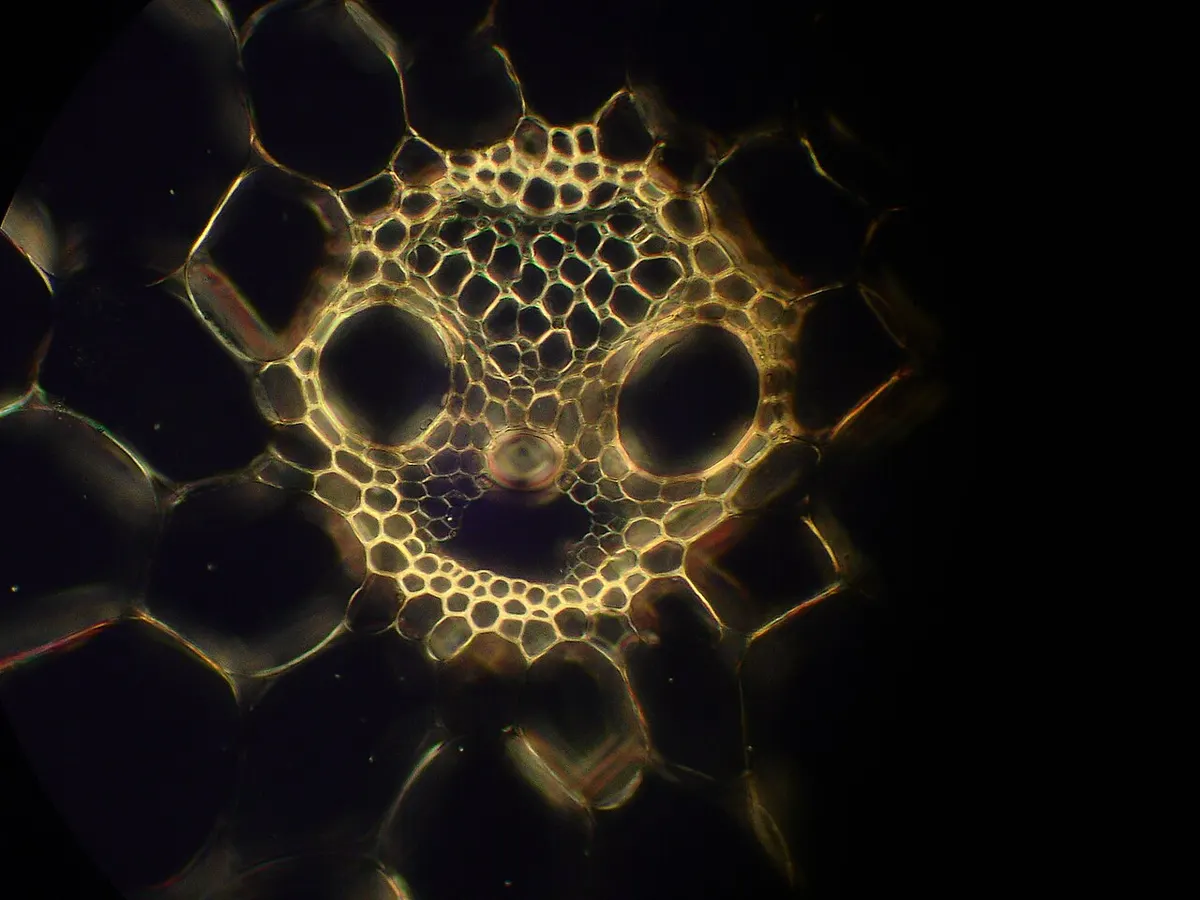
Photo: own work by me, Grand-Duc. Die volle Nennung des Autorenpseudonyms und der Zuschreibung wie unten stehend ist für eine Lizenz-konforme Nutzung erforderlich. For a license-compliant use, you have to use my pseudonym an the attribution as written down below., CC BY-SA 3.0 de (via Wikimedia Commons)
Corn
Zea mays
Also known as Maize, Sweet corn, Indian corn, Corn silk (for the medicinal part)
Key benefits
✦Traditional uses
✦Corn has fed the Americas for thousands of years, first domesticated from wild teosinte grass by Indigenous farmers in what is now Mexico and cultivated into the plump, sweet ears we know today. Beyond the table, the fine golden threads called corn silk, gathered from the top of each ear, were steeped into teas by Native American, Chinese, and early American folk healers who traditionally used them to soothe the urinary tract and encourage healthy fluid balance. Every part of the plant found a use in traditional households, from cornmeal for bread to the husks for weaving and wrapping food.
How to grow & use it
✦The full apothecary for Corn
Traditional remedies and step-by-step preparations, a complete growing guide, and how to harvest, dry, and store it, all unlocked with HerbLens Unlimited.
- ✦Remedies & preparations
- ✦ Growing guide
- ✦Harvest & storage
From under $6 a month. Free plant identifications always included.
- ✦Dandelion leaf
- ✦Nettle
- ✦Marshmallow root
- ✦Marshmallow root
- ✦Cleavers
“For the quiet gold left behind after the harvest, when the silk still remembers the sun.”
A single ear of corn has, on average, the same number of silk strands as it does kernels, since each strand is actually the style of one individual flower waiting to be pollinated.
Corn silk is generally safe for occasional traditional use, though it may affect blood sugar and potassium levels and can interact with diuretics or blood thinners. Corn itself is a common food allergen for some people.