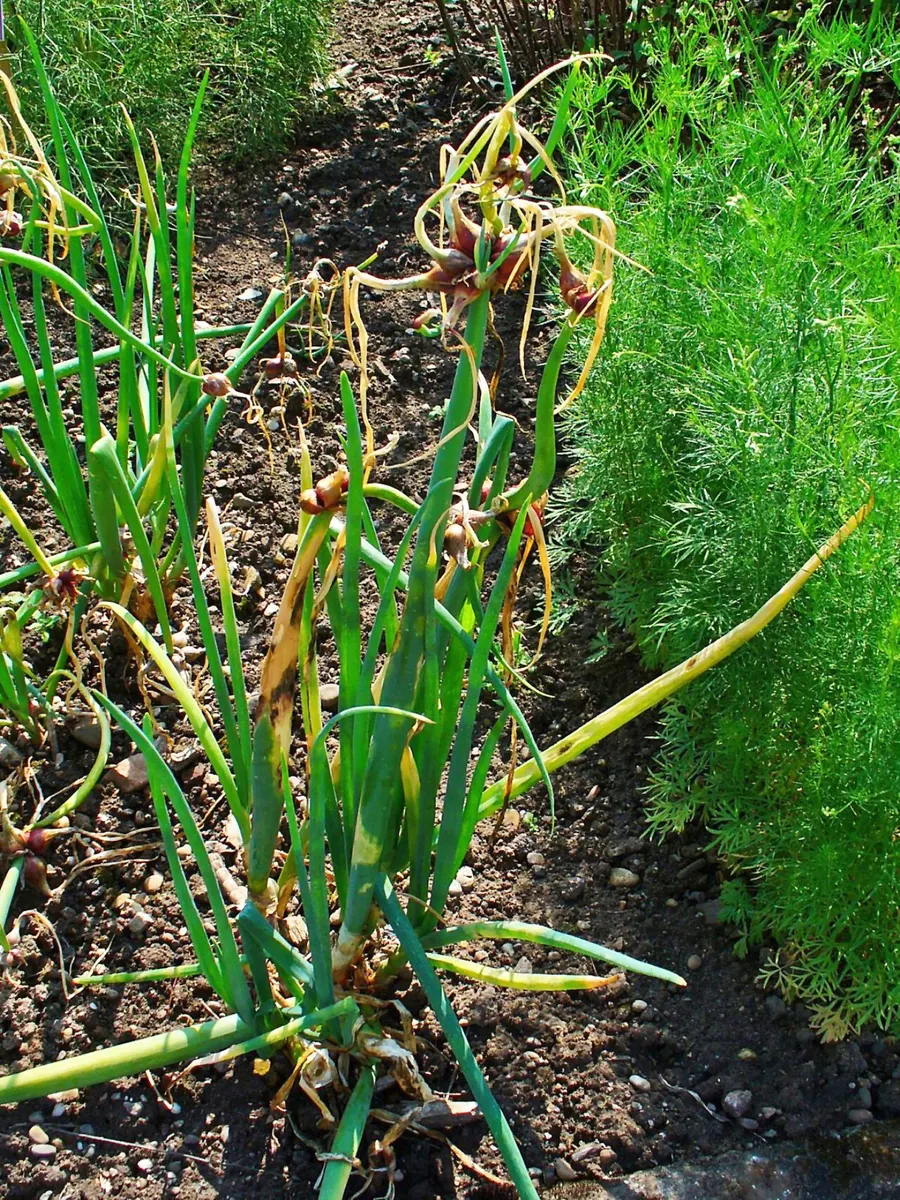
Photo: H. Zell, CC BY 3.0 (via Wikimedia Commons)
Onion
Allium cepa
Also known as Bulb Onion, Garden Onion, Common Onion
Key benefits
✦Traditional uses
✦Few plants have followed humanity as faithfully as the onion. Egyptians revered its concentric rings as a symbol of eternal life, Greek athletes rubbed onion juice on their limbs before competition, and cooks in nearly every culinary tradition have built their pots on a base of onion, believing it strengthened the blood and warded off sickness. Folk healers traditionally simmered onions into syrups for coughs and tied warm onion poultices over the chest to ease congestion, a practical grandmother's remedy passed down long before anyone understood why the bulb bit back at germs. It has always been as much medicine cabinet as pantry staple.
How to grow & use it
✦The full apothecary for Onion
Traditional remedies and step-by-step preparations, a complete growing guide, and how to harvest, dry, and store it, all unlocked with HerbLens Unlimited.
- ✦Remedies & preparations
- ✦ Growing guide
- ✦Harvest & storage
From under $6 a month. Free plant identifications always included.
- ✦Garlic
- ✦Thyme
- ✦Ginger
- ✦Shallot
- ✦Leek
“When a cough won't quit and the kitchen is the only apothecary you need.”
Archaeologists have found onions tucked into the eye sockets of the pharaoh Ramesses IV, likely placed there because ancient Egyptians believed the bulb's papery, eternal-seeming rings could help usher the dead into the afterlife.
Onion is a safe, everyday food. In medicinal or concentrated amounts it may enhance the effect of blood-thinning medication, and it's toxic to dogs, cats, and other pets, so keep bulbs, skins, and scraps away from them.