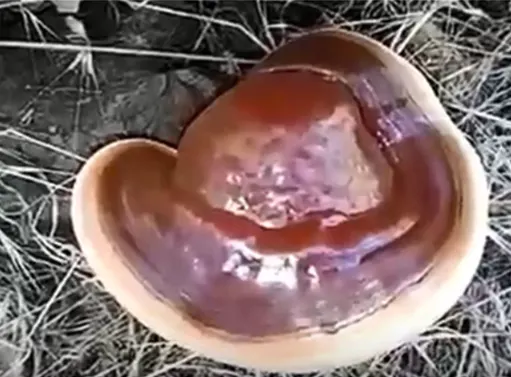
Photo: Attribution (via Wikimedia Commons)
Reishi
Ganoderma lucidum
Also known as Lingzhi, Mushroom of Immortality, Ling Chih, Reishi Mushroom
Key benefits
✦Traditional uses
✦For more than two thousand years, reishi has held a place of honor in Chinese medicine, where it earned the name lingzhi, or spirit plant, and was painted, carved, and gifted as a symbol of health and long life. Daoist healers and emperors alike sought it out, believing it calmed the spirit as much as it fortified the body. It was traditionally used to support the immune system, ease restlessness, and help the body cope with fatigue and stress, earning its reputation as the mushroom of immortality. Because the wild fungus was once rare and slow growing, it was historically reserved for royalty before cultivation made it available to everyone.
How to grow & use it
✦The full apothecary for Reishi
Traditional remedies and step-by-step preparations, a complete growing guide, and how to harvest, dry, and store it, all unlocked with HerbLens Unlimited.
- ✦Remedies & preparations
- ✦ Growing guide
- ✦Harvest & storage
From under $6 a month. Free plant identifications always included.
- ✦Astragalus root
- ✦Licorice root
- ✦Jujube (red date)
- ✦Turkey tail mushroom
- ✦Cordyceps
“When the day calls for steady, grounded resilience rather than a quick burst of energy.”
Reishi conks were once so prized in imperial China that they were painted onto porcelain, carved into jade scepters called ruyi, and sent as tribute to emperors who believed the mushroom held the secret to immortality.
Reishi has mild blood-thinning effects and can increase bleeding risk, especially with anticoagulant medications or around surgery, and may also interact with blood pressure drugs or immunosuppressants.