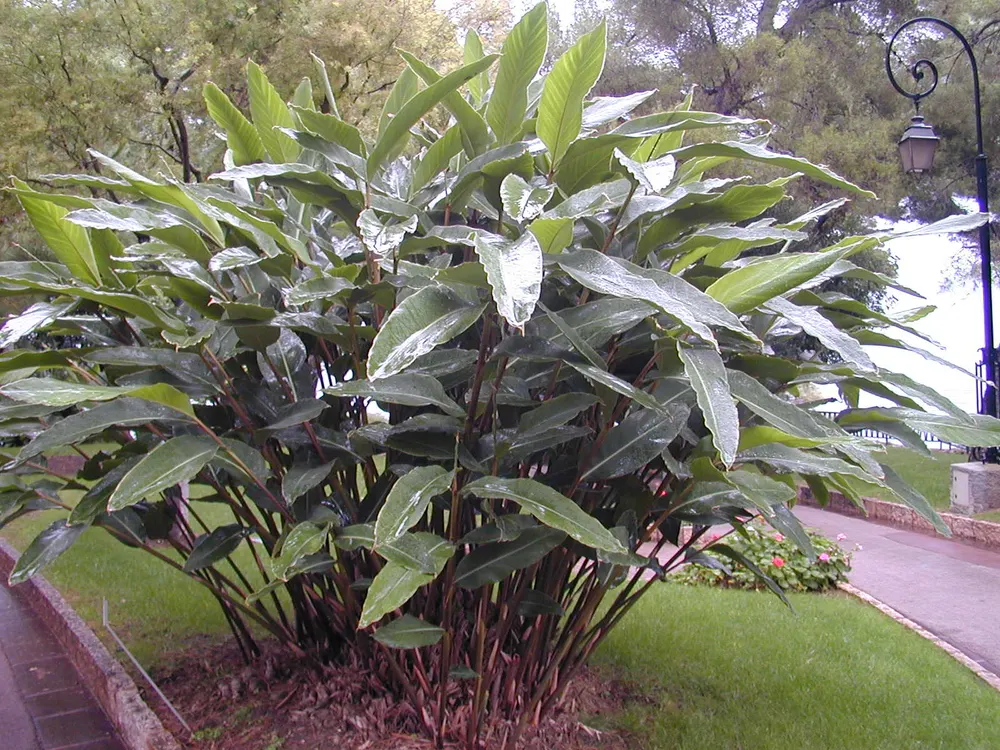
Photo: Semnoz, CC BY-SA 3.0 (via Wikimedia Commons)
Shell Ginger
Alpinia zerumbet
Also known as Shell Ginger, Pink Porcelain Lily, Shell Flower, Getto (Okinawan)
Key benefits
✦Traditional uses
✦In Okinawa, where shell ginger is known as getto, dried leaves have long been brewed into a fragrant, faintly spicy tea, sipped after meals to traditionally settle and ease the stomach. Generations of island cooks have also wrapped mochi and other steamed foods in the broad, glossy leaves, which lend a subtle warmth and were believed to help keep food fresh in the humid climate. In folk practice across the ginger family's range, the pungent rhizome has been prepared much like common ginger, traditionally chewed or steeped to soothe an unsettled stomach. Beyond the kitchen, its cascading, orchid-like blooms and towering leaves have made it a beloved fixture of subtropical gardens for centuries.
How to grow & use it
✦The full apothecary for Shell Ginger
Traditional remedies and step-by-step preparations, a complete growing guide, and how to harvest, dry, and store it, all unlocked with HerbLens Unlimited.
- ✦Remedies & preparations
- ✦ Growing guide
- ✦Harvest & storage
From under $6 a month. Free plant identifications always included.
- ✦Lemongrass
- ✦Mint
- ✦Culinary ginger
- ✦Culinary ginger root
- ✦Pandan leaf (for wrapping foods)
“For a fragrant, unhurried ritual borrowed from island kitchens.”
The traditional Okinawan sweet sannin, a steamed rice cake, takes its name from the shell ginger leaf it is wrapped in, a naming so close that the plant and the pastry have become nearly inseparable in island memory.
Shell ginger is safe when used traditionally as a food wrap or mild leaf tea. Like other gingers, it may have a mild blood-thinning effect, so use caution if pregnant, nursing, or on blood-thinning medication.