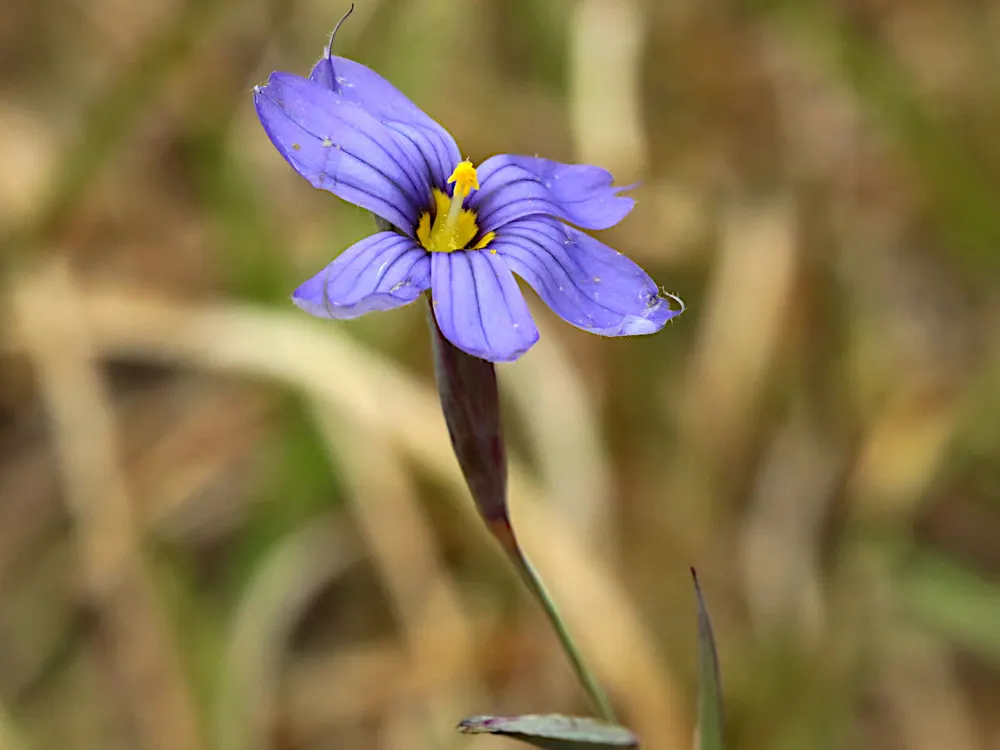
Photo: Peterwchen, CC BY-SA 4.0 (via Wikimedia Commons)
Eastern Blue-eyed Grass
Sisyrinchium atlanticum
Also known as Atlantic Blue-eyed Grass, Blue-eyed Grass, Star Grass
Key benefits
✦Traditional uses
✦Despite the common name, this is no grass at all, it is a petite member of the iris family that Indigenous peoples and early botanists alike found easy to overlook among true meadow grasses until its sky blue stars opened each morning. Some related Sisyrinchium species carried a modest place in Indigenous folk practice in scattered corners of eastern North America, but the historical record for Sisyrinchium atlanticum itself is thin and inconsistent. Its real legacy has always been in the meadow rather than the medicine chest, a small bright thread woven through wet prairies and coastal grasslands for generations of foragers and flower gatherers to notice and admire.
How to grow & use it
✦The full apothecary for Eastern Blue-eyed Grass
Traditional remedies and step-by-step preparations, a complete growing guide, and how to harvest, dry, and store it, all unlocked with HerbLens Unlimited.
- ✦Remedies & preparations
- ✦ Growing guide
- ✦Harvest & storage
From under $6 a month. Free plant identifications always included.
- ✦Black-eyed Susan
- ✦Spiderwort
- ✦Little bluestem
- ✦Sisyrinchium angustifolium (a close cousin with a similar look and habit)
“For a scatter of sky stitched low across a wet meadow, not for the medicine cabinet.”
The genus name Sisyrinchium comes from an old Greek word meaning pig snout, a nod to an ancient belief that pigs liked to root up the bulbs of a similar plant.
Blue-eyed grass has no established history of safe internal use, so it's best enjoyed as a garden and meadow plant rather than eaten.